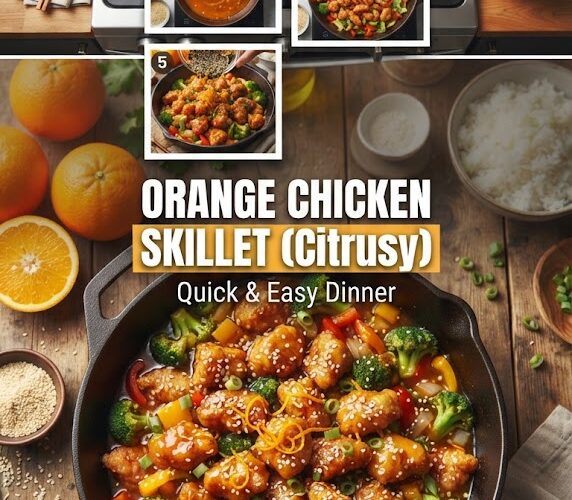
In the pantheon of American-Chinese cuisine, few dishes hold as much emotional and gastronomic weight as Orange Chicken. We’ve all been there—standing in a fluorescent-lit mall food court or hovering over a plastic container late at night, craving that specific combination of crunchy, sweet, and tangy. But what if you could elevate that experience? What if you could strip away the heavy, soggy breading and the corn-syrup-laden sauces of the fast-food world and replace them with a vibrant, fresh, and deeply citrusy Orange Chicken Skillet?
This isn’t just a recipe; it’s a revelation for your weeknight dinner rotation. By utilizing a single skillet and fresh, high-quality ingredients, we are going to transform a takeout staple into a gourmet, nutrient-dense meal that explodes with the brightness of real citrus.
Why the Skillet Method Trumps the Deep Fryer
Traditional orange chicken is often double-fried, which, while delicious in the first five minutes, quickly becomes heavy. The skillet method—specifically a high-heat sear—offers several advantages that make it superior for the home cook:
- The Maillard Reaction: By searing bite-sized chicken pieces in a hot skillet, you achieve a beautiful golden-brown crust without the need for a thick batter. This caramelization creates a depth of flavor that frying often masks.
- Texture Control: You get to control the “crunch.” By using a light dusting of starch rather than a heavy batter, the chicken remains tender and succulent on the inside while maintaining a delicate crispiness on the outside.
- One-Pan Simplicity: Cleanup is the enemy of a good meal. A skillet meal means one primary vessel to wash, making it a sustainable choice for busy Mondays or exhausted Thursdays.
- Health-Conscious Cooking: You significantly reduce the calorie count and inflammatory seed oils associated with deep-frying, allowing the natural flavors of the chicken and the orange to shine.
The Science of the Citrus: Why This Glaze Works
The heart of this dish is the glaze. To achieve a truly “citrusy” profile, we move beyond just bottled juice. We utilize a three-pronged approach to orange flavor:
- The Zest: This is where the essential oils live. The zest provides that aromatic, floral “punch” that you smell before you even taste the dish.
- The Fresh Juice: Freshly squeezed orange juice provides natural acidity and a complex sweetness that concentrated juices lack.
- The Reduction: By simmering the sauce in the skillet, we evaporate the water, intensifying the sugars and acids until they become a syrupy, glass-like coating for the chicken.
Essential Ingredients for the Perfect Orange Chicken Skillet
To create a world-class orange chicken at home, you need to be intentional with your pantry. Here is the breakdown of what you’ll need and why:
The Protein
- Chicken Thighs vs. Breasts: For the most succulent result, use boneless, skinless chicken thighs. They have a higher fat content, which prevents them from drying out during the high-heat sear. If you prefer breast meat, ensure you don’t overcook it—pull it just as it reaches 165°F.
- Cornstarch or Arrowroot Powder: This is used to “velvet” the chicken. It creates a thin barrier that locks in juices and helps the sauce cling to every crevice.
The Citrus Component
- Navel Oranges: These are the gold standard for orange chicken due to their sweetness and lack of seeds.
- Optional: A Splash of Lime: A tiny squeeze of lime juice at the end can brighten the dish even further, providing a sharp contrast to the sweet orange.
The Aromatics and Seasonings
- Fresh Ginger: Never use the powdered stuff here. Freshly grated ginger provides a peppery bite that balances the sugar.
- Garlic: At least four cloves. Garlic is the backbone of the savory element.
- Soy Sauce (or Liquid Aminos): This provides the “umami”—that deep, savory saltiness that makes the sauce craveable.
- Rice Vinegar: This provides the necessary tang to cut through the richness.
- Honey or Maple Syrup: A touch of natural sweetener helps with the caramelization.
- Red Chili Flakes: Even if you don’t like heat, a pinch helps round out the flavor profile.
Step-by-Step Masterclass: How to Cook the Zesty Orange Chicken Skillet
Step 1: Prepping the Chicken (The Secret of Velveting)
Cut your chicken into uniform 1-inch cubes. In a bowl, toss the chicken with salt, pepper, and two tablespoons of cornstarch. This technique, derived from traditional Chinese cooking, ensures the meat stays silky. Let it sit for 10 minutes while you prep the sauce.
Step 2: Crafting the Liquid Gold
In a medium bowl, whisk together:
- 3/4 cup fresh orange juice
- 1 tablespoon orange zest
- 3 tablespoons soy sauce
- 1 tablespoon rice vinegar
- 2 tablespoons honey
- 1 teaspoon grated ginger
- 1/2 teaspoon red pepper flakes
- 1 teaspoon cornstarch (for thickening)
Step 3: The High-Heat Sear
Heat a large cast-iron or stainless steel skillet over medium-high heat. Add a high-smoke-point oil (like avocado or grapeseed oil). Once the oil is shimmering, add the chicken in a single layer. Do not crowd the pan. If necessary, work in batches.
Let the chicken sit undisturbed for 3-4 minutes to develop a deep golden crust. Flip and cook for another 2-3 minutes. Remove the chicken from the pan and set it aside on a plate.
Step 4: Building the Aromatics
Lower the heat to medium. In the same skillet (don’t wash it! those brown bits are flavor gold), add a tiny bit more oil if needed. Add your minced garlic and cook for 30 seconds until fragrant.
Step 5: The Reduction
Pour the sauce mixture into the skillet. Use a wooden spoon to scrape the bottom of the pan (deglazing). Bring the sauce to a gentle simmer. It will begin to thicken and turn from a pale orange to a translucent, vibrant amber.
Step 6: The Reunion
Once the sauce is thick enough to coat the back of a spoon, add the chicken back into the skillet. Toss vigorously to ensure every piece is cocooned in the orange glaze. Cook for 1-2 minutes longer to ensure the chicken is heated through and the glaze is sticky.
Pro Tips for the Ultimate Flavor Explosion
- The Zest Rule: Always zest your orange before you juice it. It is nearly impossible to zest a squeezed orange half.
- Don’t Skimp on the Heat: If the skillet isn’t hot enough when the chicken hits the pan, the cornstarch will turn into a gummy paste rather than a crisp crust.
- The “Gloss” Factor: If you want that restaurant-quality shine, stir in a half-teaspoon of sesame oil or a tiny pat of cold butter right at the very end after turning off the heat.
- Adding Vegetables: To make this a complete one-pan meal, toss in some snap peas, broccoli florets, or bell peppers after the chicken is seared but before you add the sauce. Sauté them for 2-3 minutes until crisp-tender.
Elevating the Presentation: Garnishes Matter
We eat with our eyes first. To turn this skillet meal into a center-piece dish, garnish with:
- Toasted Sesame Seeds: For a nutty crunch.
- Thinly Sliced Green Onions: For a fresh, sharp bite.
- Extra Orange Zest: For a final pop of color and aroma.
- Fresh Cilantro: If you enjoy the herb, it pairs beautifully with citrus and ginger.
Dietary Adaptations: Orange Chicken for Everyone
One of the best things about cooking at home is the ability to customize for dietary needs without sacrificing flavor.
Gluten-Free Orange Chicken
Simply swap the soy sauce for Tamari or Coconut Aminos. Ensure your cornstarch is certified gluten-free. The flavor remains identical!
Paleo and Grain-Free
Use Arrowroot powder instead of cornstarch for the coating and thickening. Substitute the honey for maple syrup and use coconut aminos in place of soy sauce. Serve over cauliflower rice instead of white rice.
The Vegan “Chicken” Skillet
You can use the exact same sauce and method with extra-firm tofu or cauliflower florets. For the tofu, press it well to remove moisture, toss in cornstarch, and pan-fry until crispy before adding the sauce. For cauliflower, we recommend roasting the florets first to get them tender-crisp before tossing them in the skillet with the glaze.
Keto/Low-Carb Version
To make this keto-friendly, replace the orange juice with a combination of water, orange extract, and a squeeze of lemon for acidity. Use an erythritol or monk fruit sweetener instead of honey, and thicken the sauce with a tiny pinch of xanthan gum instead of cornstarch.
What to Serve with Your Orange Chicken Skillet
While this dish is a star on its own, the right side dishes can turn it into a multi-dimensional feast.
1. The Classic Grains
- Jasmine Rice: The floral aroma of Jasmine rice is the perfect companion to orange.
- Brown Rice: For a nuttier flavor and more fiber.
- Quinoa: An unconventional but protein-packed base that soaks up the extra orange glaze beautifully.
2. The Low-Carb Bases
- Cauliflower Fried Rice: Sauté riced cauliflower with peas, carrots, and a splash of soy sauce.
- Zucchini Noodles: A light, refreshing base that contrasts the sticky sweetness of the chicken.
3. Side Salads
- Asian Slaw: A crunchy mix of shredded cabbage, carrots, and a sesame-ginger vinaigrette provides a cooling contrast to the warm chicken.
- Cucumber Salad: Thinly sliced cucumbers marinated in rice vinegar and chili flakes.
Meal Prep and Storage: The Gift That Keeps on Giving
The Orange Chicken Skillet is a meal-prepper’s dream. Because the chicken is seared rather than heavily breaded, it holds up significantly better in the refrigerator than traditional takeout.
- Storage: Store leftovers in an airtight container for up to 4 days.
- Reheating: For the best results, reheat in a skillet over medium heat with a splash of water or extra orange juice to loosen the sauce. Avoid the microwave if possible, as it can make the chicken rubbery.
- Freezing: You can freeze the cooked orange chicken for up to 2 months. Thaw overnight in the fridge before reheating.
The History of Orange Chicken: An American Original
While many believe Orange Chicken is an ancient Chinese recipe, it is actually a quintessential “immigrant dish.” It was popularized (and arguably invented) in the late 1980s by Chef Andy Kao of Panda Express. It was inspired by the flavors of Hunan province—which often uses dried citrus peels in savory dishes—but was adapted for the American palate which favors a sweeter, saucier profile.
By making this Orange Chicken Skillet at home, you are participating in a culinary evolution. You are taking a dish that was designed for mass production and reclaiming it as a fresh, artisanal meal that honors its citrusy roots while prioritizing health and quality.
Frequently Asked Questions (FAQ)
Can I use orange marmalade instead of fresh juice?
You can, but be warned: marmalade is very high in sugar. If you use it, omit the honey/maple syrup and add a bit of water or chicken broth to thin it out. The flavor will be more “bitter-sweet” due to the cooked rinds in the marmalade.
My sauce didn’t thicken. What happened?
The most common reason is not allowing the sauce to reach a full simmer. The cornstarch (or arrowroot) only activates as a thickener when it reaches a specific temperature. Give it another minute of bubbling, and it should tighten up.
Is this dish spicy?
As written, it has a very mild warmth from the red chili flakes. If you want a “kick,” double the flakes or add a teaspoon of Sriracha or Sambal Oelek to the sauce mixture.
Can I use frozen chicken?
Yes, but ensure it is completely thawed and patted extremely dry with paper towels. Any excess moisture will cause the chicken to steam rather than sear, preventing that golden crust from forming.
The Nutritional Breakdown: A Better Way to Eat
When you order orange chicken from a restaurant, a single serving can easily exceed 800-1,000 calories and 40 grams of sugar. This homemade skillet version drastically improves those numbers:
- Higher Protein: By using fresh chicken and no heavy flour batter, the protein-to-calorie ratio is much higher.
- Natural Sugars: We rely on the natural fructose in the orange juice and a small amount of honey, avoiding the high-fructose corn syrup found in commercial sauces.
- Vitamin C Boost: Using fresh zest and juice provides a legitimate dose of Vitamin C, an essential antioxidant for immune health.
- Anti-inflammatory Spices: Fresh ginger and garlic are powerhouses of health benefits, known for their anti-inflammatory and digestive properties.
Conclusion: Embrace the Zest
Cooking doesn’t have to be complicated to be extraordinary. The Orange Chicken Skillet is proof that with a few fresh oranges, a hot pan, and twenty minutes, you can create a meal that rivals any restaurant. It’s a dish that celebrates the vibrancy of citrus, the comfort of a home-cooked meal, and the joy of eating food that makes you feel as good as it tastes.
So, next time you’re tempted to reach for the takeout menu, reach for an orange instead. Fire up your skillet, let the aroma of ginger and garlic fill your kitchen, and enjoy the brightest, most flavorful chicken you’ve ever made. Your taste buds—and your family—will thank you.