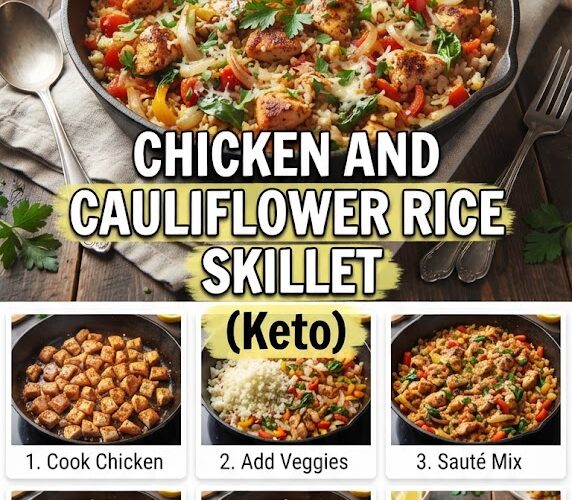
In the fast-paced world of modern nutrition, the quest for a meal that balances convenience, flavor, and health can often feel like an uphill battle. For those following a ketogenic lifestyle, the challenge is even more specific: finding a way to enjoy hearty, comforting textures without the carb-heavy burden of traditional grains. Enter the Chicken and Cauliflower Rice Skillet. This dish isn’t just a recipe; it is a nutritional strategy, a culinary savior for busy weeknights, and a testament to how delicious low-carb living can truly be.
The beauty of the chicken and cauliflower rice skillet lies in its versatility. It mimics the mouthfeel of a classic risotto or a fried rice dish while remaining strictly gluten-free, grain-free, and keto-friendly. Whether you are a seasoned keto veteran or someone just looking to reduce their sugar intake, this one-pan wonder delivers high-quality protein, healthy fats, and a wealth of micronutrients in under 30 minutes.
The Science Behind the Success: Why This Meal Works for Your Body
Before we dive into the pans and spatulas, it’s essential to understand why this specific combination of ingredients is a powerhouse for the human body, particularly within the context of the U.S. health landscape.
1. High-Quality Protein for Muscle Maintenance
Chicken, the star of this skillet, is an excellent source of lean protein. Protein is the most satiating macronutrient, meaning it keeps you feeling full longer than carbohydrates or fats alone. By focusing on chicken, you provide your body with the essential amino acids needed for muscle repair and metabolic health.
2. The Magic of Cauliflower
Cauliflower has undergone a reputation makeover in the last decade. Once seen as the “boring” cousin of broccoli, it is now the undisputed king of keto substitutes. Cauliflower is incredibly low on the Glycemic Index (GI), meaning it won’t cause the insulin spikes associated with white rice. Furthermore, it is packed with fiber, vitamin C, vitamin K, and folate.
3. Healthy Fats and Ketosis
In a keto skillet, we don’t fear fat; we embrace it as fuel. By using grass-fed butter, olive oil, or avocado oil, we provide the body with the lipids necessary to maintain ketosis—the metabolic state where the body burns fat for energy instead of glucose.
The Essential Ingredients: Quality Matters
To make a world-class keto skillet, you cannot settle for subpar ingredients. Every component should serve a purpose, both in terms of flavor profile and nutritional density.
The Protein: Chicken Thighs vs. Chicken Breasts
While many reach for chicken breasts out of habit, the keto community often prefers boneless, skinless chicken thighs. Why?
- Flavor: Thighs have a higher fat content, which leads to a juicier, more flavorful bite.
- Forthcomingness: Thighs are harder to overcook. Even if they stay in the skillet a minute too long, they remain tender.
- Macros: The extra fat in thighs helps hit your daily keto macro targets more easily.
If you prefer breasts, ensure you slice them thinly and sear them quickly to prevent dryness.
The Base: Cauliflower Rice
You have two options here: store-bought or homemade.
- Store-bought: Convenient and consistent. Look for “fresh” riced cauliflower in the produce section or frozen bags. (Tip: If using frozen, ensure you steam the moisture out before adding it to the skillet).
- Homemade: Simply pulse cauliflower florets in a food processor until they reach a rice-like consistency. This is often cheaper and tastes fresher.
The Aromatics and Seasonings
A keto dish can become bland if you aren’t careful with seasoning. You need:
- Garlic and Onions: These are the foundations of flavor. Use fresh cloves for the best aroma.
- High-Quality Salt: Sea salt or Himalayan pink salt provides essential electrolytes (sodium) which are crucial on a keto diet.
- Fresh Herbs: Parsley, cilantro, or thyme can elevate the dish from “home cooking” to “restaurant quality.”
Step-by-Step Culinary Guide: Mastering the Skillet
Creating the perfect skillet is an art of timing and temperature control. Follow these steps to ensure a golden sear on your chicken and a perfectly tender “rice.”
Step 1: Preparing the Chicken
Start by patting your chicken dry with paper towels. Moisture is the enemy of a good sear. Season the chicken generously with salt, cracked black pepper, and perhaps a touch of paprika for color.
Step 2: The Sear
Heat a large cast-iron or heavy-bottomed skillet over medium-high heat. Add two tablespoons of avocado oil (which has a high smoke point). Once the oil is shimmering, add the chicken in a single layer.
- The Secret: Don’t crowd the pan. If the chicken is too crowded, it will steam instead of brown.
- The Goal: You want a golden-brown crust. This is the Maillard reaction, which unlocks deep, savory flavors. Once browned, remove the chicken and set it aside on a plate.
Step 3: Sautéing the Aromatics
Lower the heat to medium. In the same pan (don’t wash it! those brown bits are “fond” and full of flavor), add a tablespoon of butter. Toss in diced onions and cook until translucent. Add minced garlic and sauté for just 30 seconds until fragrant.
Step 4: The Cauliflower Transformation
Add your riced cauliflower to the skillet. If you are using fresh cauliflower, it will soak up the residual fats and juices from the chicken.
- Pro Tip: Sauté the cauliflower for 5-7 minutes. You want it to soften slightly but still maintain a “bite.” If you overcook it, it becomes mushy.
Step 5: Bringing it All Together
Return the chicken (and any juices on the plate) to the skillet. Stir everything together. This is where you add your “liquid gold”—perhaps a splash of heavy cream, a squeeze of fresh lemon juice, or a handful of parmesan cheese. Cover the pan for 2 minutes to let the flavors marry.
Customization: Four Variations to Keep Things Exciting
One of the reasons people fail at diets is boredom. To prevent this, you can rotate the flavor profile of your skillet every week.
1. The Mediterranean Skillet
Add sun-dried tomatoes, kalamata olives, and artichoke hearts to the cauliflower. Top with crumbled feta cheese and fresh oregano. This version is bright, acidic, and incredibly refreshing.
2. The Zesty Tex-Mex Skillet
Season your chicken with cumin and chili powder. Add diced bell peppers and jalapeños to the sauté. Once finished, top with sliced avocado, a dollop of full-fat sour cream, and a spray of lime juice.
3. The Creamy Mushroom and Thigh Skillet
Sauté sliced cremini mushrooms along with the onions. Add a half-cup of heavy whipping cream and a teaspoon of Dijon mustard at the end. This creates a rich, decadent sauce that feels like a “cheat meal” while remaining perfectly keto.
4. The Asian-Inspired Ginger Soy Skillet
Use sesame oil for sautéing. Add grated ginger and coconut aminos (a keto-friendly alternative to soy sauce). Toss in some scallions and toasted sesame seeds for a crunch that rivals any takeout fried rice.
Troubleshooting: How to Avoid “Soggy Rice” Syndrome
The most common complaint with cauliflower rice is that it can become watery. Here is how to ensure your skillet stays crisp and delicious:
- Dry Sautéing: If using frozen cauliflower, cook it in a separate dry pan first to let the water evaporate before adding it to the oil and aromatics.
- Salt Timing: Don’t salt the cauliflower too early. Salt draws out moisture. Add your final seasoning at the very end of the cooking process.
- No Lids (Mostly): Only cover the pan at the very end for a minute. Keeping the lid on during the main cooking phase traps steam, which leads to mushiness.
The Nutritional Breakdown: What’s Really Inside?
For the data-driven eater, here is an approximate nutritional profile for a standard serving (based on using chicken thighs and 1 tablespoon of butter):
- Calories: 450 kcal
- Total Fat: 32g
- Net Carbohydrates: 6g (Total carbs minus fiber)
- Protein: 35g
- Fiber: 4g
This macro-nutrient split is ideal for maintaining a state of fat-burning while providing enough protein to support an active lifestyle.
Meal Prep and Storage: The Gift That Keeps on Giving
In the United States, meal prepping has become a cornerstone of health management. This skillet is one of the best “prep-ahead” meals because it actually tastes better the next day as the spices permeate the cauliflower.
Storage Tips:
- Refrigeration: Store in airtight glass containers for up to 4 days.
- Reheating: Avoid the microwave if possible, as it can make the cauliflower rubbery. Instead, toss it back into a hot skillet for 3 minutes to revive the texture.
- Freezing: While you can freeze this dish, the texture of the cauliflower may change slightly upon thawing. It is best enjoyed fresh or from the fridge.
Why This Recipe is a “Google-Ranked” Winner in the USA
When we look at what American home cooks are searching for, three things stand out: One-pan, 30-minute, and Keto.
The “One-Pan” aspect appeals to the desire for minimal cleanup. In a busy household, washing five pots is a dealbreaker. The “30-minute” factor addresses the time-poverty many workers feel. Finally, the “Keto” label satisfies the millions of Americans using low-carb interventions to manage weight, blood sugar, and inflammation.
By combining these three elements, the Chicken and Cauliflower Rice Skillet becomes more than just food; it becomes a tool for success in the modern world.
Advanced Culinary Tips for the Enthusiast
If you want to take your skillet to the “Expert” level, consider these professional techniques:
Deglazing the Pan
After you brown the chicken, there will be stuck-on bits at the bottom of the pan. Before adding the cauliflower, pour in a splash of dry white wine or chicken bone broth. Use a wooden spoon to scrape those bits up. This liquid will be absorbed by the cauliflower rice, giving it an incredible depth of flavor.
Using Compound Butters
Instead of plain butter, use a garlic-herb compound butter. This adds layers of flavor that are released slowly as the dish cooks.
The Power of Toppings
Never underestimate the power of texture. Adding toasted almonds, pine nuts, or even crushed pork rinds to the top of your skillet adds a “crunch” factor that many keto meals lack.
Frequently Asked Questions
Is cauliflower rice really a good substitute for white rice?
While it doesn’t taste exactly like grain rice (it has a slightly nuttier, vegetable-forward profile), when seasoned correctly and cooked to “al dente,” it provides the same satisfying vessel for sauces and proteins.
Can I use frozen cauliflower rice?
Yes. It is often more convenient. However, ensure you cook it slightly longer to allow the extra moisture to evaporate.
What if I don’t have a cast-iron skillet?
A stainless steel pan or a high-quality non-stick pan will work. Cast iron is simply preferred for its ability to create a superior sear on the meat.
Conclusion: Embracing the Skillet Lifestyle
The Chicken and Cauliflower Rice Skillet is a symbol of the new age of healthy eating. It proves that you don’t have to sacrifice flavor, time, or satisfaction to meet your health goals. It is a dish that respects your time, fuels your body, and delights your palate.
By mastering this one recipe, you unlock a hundred different meal possibilities. It is the ultimate “canvas” for your culinary creativity. So, the next time you find yourself staring at a pack of chicken and wondering what to make for dinner, remember the skillet. Low in carbs, high in protein, and bursting with flavor—it is truly the perfect keto meal.
Whether you are cooking for a family of four or prepping meals for your solo week ahead, this dish stands as a gold standard in the ketogenic kitchen. Grab your skillet, turn up the heat, and start cooking your way to a healthier, more vibrant you.