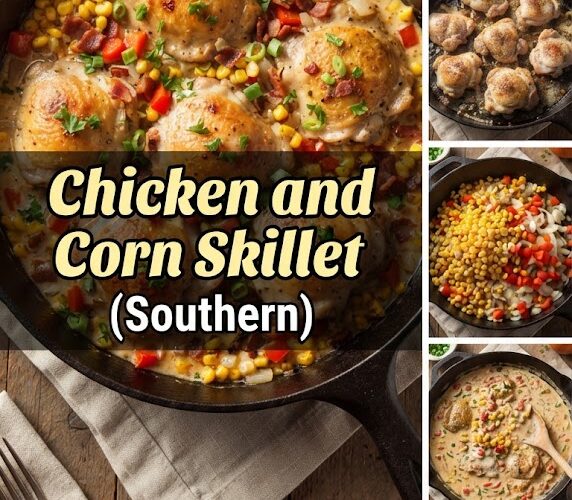
In the pantheon of American culinary traditions, few regions command as much respect and nostalgic yearning as the South. Southern cooking is more than just a method of preparation; it is a language of love, a testament to history, and a celebration of the land’s bounty. Among the countless treasures found in a Southern grandmother’s recipe box, the Chicken and Corn Skillet stands out as a quintessential masterpiece. It is a dish that defines “home”—a one-pan wonder that marries the succulent richness of golden-brown chicken with the sweet, milky pop of seasonal corn.
This isn’t just a quick weeknight meal; it is an exploration of texture, a balance of sweet and savory, and a showcase of the “low and slow” philosophy that makes Southern food world-renowned. Whether you are a seasoned home cook or a novice looking to master the cast-iron skillet, this comprehensive guide will take you through every nuance of creating the perfect Southern Chicken and Corn Skillet.
The Soul of the Dish: Why Southern Chicken and Corn Works
At its core, this dish relies on a few high-quality ingredients working in perfect harmony. In the South, corn isn’t just a side dish; it’s a cultural staple. When paired with chicken, which absorbs the sweetness of the corn and the heat of the aromatics, you get a profile that is deeply satisfying.
The magic happens in the skillet. The Maillard reaction—that beautiful browning of the chicken skin—creates a foundation of savory “fond” (the brown bits at the bottom of the pan). When the corn, onions, and peppers are added to that same pan, they deglaze those flavors, ensuring that every bite of corn tastes like the chicken itself.
The Essential Equipment: The Cast Iron Skillet
Before we discuss ingredients, we must discuss the vessel. In Southern kitchens, the cast-iron skillet is a family heirloom, often passed down through generations.
Why is it essential for this dish?
- Heat Retention: Cast iron holds heat better than stainless steel or non-stick pans. This allows for a consistent, deep sear on the chicken without the temperature dropping when the meat hits the pan.
- Flavor Development: A well-seasoned skillet adds a subtle depth of flavor that cannot be replicated.
- Versatility: It can move from the stovetop to the oven, which is crucial if you are using thick, bone-in chicken thighs that need a bit more time to reach a safe internal temperature.
If you don’t have cast iron, a heavy-bottomed stainless steel pan will work, but for that authentic “crust,” iron is king.
Selecting Your Ingredients: Quality Over Complexity
A truly great Southern skillet doesn’t need a pantry full of exotic spices. It needs fresh, local ingredients.
1. The Chicken: Thighs vs. Breasts
While you can use chicken breasts, any Southerner will tell you that bone-in, skin-on chicken thighs are the superior choice.
- Flavor: The bone provides flavor and keeps the meat moist during the cooking process.
- Texture: Chicken skin, when rendered correctly, provides a crispy contrast to the creamy corn.
- Juiciness: Thighs have more fat content, which prevents them from drying out—a common pitfall of chicken breast recipes.
2. The Corn: Fresh is Best
In a perfect world, you are making this in the height of summer with corn picked that morning.
- Fresh Cob Corn: Use a sharp knife to cut the kernels off the cob. Pro Tip: After cutting the kernels, use the back of your knife to scrape the “milk” out of the cob. This starchy liquid is pure gold and acts as a natural thickener for the sauce.
- Frozen Corn: If it’s winter, high-quality frozen sweet corn is a better alternative than canned corn, which can be too mushy.
3. The Fat: The Flavor Foundation
Southern cooking often begins with fat. While olive oil is healthy, bacon drippings or unsalted butter (or a combination of both) provide the authentic flavor profile this dish demands. Rendering a few slices of bacon in the pan before starting the chicken adds a smoky layer that elevates the entire meal.
4. The Aromatics and Seasonings
- The Trinity: Onions and bell peppers (usually green or red) form the base.
- Garlic: Plenty of it, minced fresh.
- Seasoning: A blend of salt, cracked black pepper, smoked paprika, and a pinch of cayenne for a “back-of-the-throat” heat.
Step-by-Step Guide to the Perfect Southern Chicken and Corn Skillet
Phase 1: Preparation and Searing
Start by patting your chicken thighs completely dry with paper towels. Moisture is the enemy of a good sear. Season the chicken liberally on both sides.
Heat your skillet over medium-high heat. Add your fat (bacon grease or oil). Once the oil is shimmering but not smoking, place the chicken thighs skin-side down. Do not crowd the pan; if necessary, work in batches.
The Golden Rule: Do not touch the chicken for at least 6–8 minutes. You want the skin to release naturally from the pan. If it’s sticking, it’s not ready. Once golden and crispy, flip and cook for another 4–5 minutes. Remove the chicken and set it aside on a plate (it won’t be fully cooked yet).
Phase 2: Sautéing the Aromatics
Lower the heat to medium. In the same pan, add your diced onions and peppers. They will immediately begin to pick up the brown bits from the chicken. Sauté until the onions are translucent and slightly caramelized. Add the garlic and cook for only 60 seconds to avoid burning.
Phase 3: The Corn Transformation
Add your corn kernels and the “corn milk” to the skillet. Stir frequently. The corn will begin to caramelize slightly, picking up the smoky flavors of the pan. This is where you add your dry spices—paprika, cayenne, and extra pepper.
If you want a “creamy” Southern style, you can add a splash of heavy cream or a tablespoon of cream cheese at this stage. If you prefer a “succotash” style, keep it as is.
Phase 4: The Marriage
Nestle the chicken thighs back into the bed of corn. Pour any juices that collected on the plate back into the skillet—that’s pure flavor.
Cover the skillet and reduce the heat to low. Let it simmer for 15–20 minutes, or until the chicken reaches an internal temperature of 165°F (74°C). This allows the chicken to finish cooking while the corn absorbs the savory juices.
Phase 5: The Finish
Remove from heat. Garnish with a handful of fresh chopped parsley or sliced scallions. A squeeze of fresh lime or lemon juice can brighten the heavy flavors, though many traditionalists prefer it as is.
Regional Variations: Customizing Your Skillet
The South is not a monolith; flavors change from the Lowcountry of South Carolina to the bayous of Louisiana.
The Lowcountry Version
Add smoked andouille sausage and a dash of Old Bay seasoning. This version leans into the coastal influences, making it heartier and slightly spicier.
The Creamy Delta Style
Incorporate a bit of heavy cream and sharp cheddar cheese into the corn mixture. This turns the corn into a decadent “corn pudding” texture that serves as a rich bed for the crispy chicken.
The Smoky Mountain Variation
Use plenty of smoked paprika and a drizzle of honey at the end. The sweet-and-smoky profile is a hallmark of Appalachian comfort food.
The Science of Flavor: Why This Dish is a “Ranker”
From a culinary perspective, this dish hits every flavor note:
- Umami: Provided by the seared chicken and the fond.
- Sweetness: Naturally occurring in the corn.
- Acidity: Often added through a splash of apple cider vinegar or citrus.
- Heat: Provided by the cayenne or peppers.
This balance is why people search for this recipe. It’s not just a meal; it’s a sensory experience. For those looking for “Southern Comfort Food,” this recipe checks every box for authenticity and flavor density.
Pairing Suggestions: Completing the Southern Table
No Southern skillet is complete without the right supporting cast.
1. Buttermilk Biscuits or Cornbread
You need something to mop up the juices. A flaky buttermilk biscuit or a piece of skillet-baked cornbread (unsweetened, as per Southern tradition) is the perfect companion.
2. Collard Greens
To cut through the richness of the chicken and creamed corn, a side of slow-simmered collard greens with a dash of vinegar provides the necessary acidity and bitterness.
3. Iced Sweet Tea
The “House Wine of the South.” A cold glass of sweet tea with plenty of lemon is the traditional beverage of choice.
Nutritional Insights: A Balanced Powerhouse
While Southern food is often labeled “unhealthy,” this specific dish is quite balanced:
- Protein: Chicken thighs are an excellent source of high-quality protein and essential amino acids.
- Fiber: Fresh corn and bell peppers provide dietary fiber, aiding in digestion.
- Vitamins: Bell peppers are loaded with Vitamin C, and corn provides B vitamins and antioxidants like lutein.
To make it lighter, you can use skinless thighs and swap the butter for heart-healthy avocado oil, though you may sacrifice some of the traditional “crunch.”
Frequently Asked Questions (FAQs)
Can I use canned corn?
Yes, but be sure to drain and rinse it thoroughly. Canned corn lacks the “milk” of fresh corn, so you might want to add a tablespoon of flour or a splash of cream to achieve the same consistency.
How do I keep the chicken skin crispy?
The secret is to not submerge the chicken in the corn. Nestle the chicken on top of the corn during the final simmering stage. If you cover the pan, the steam will soften the skin slightly. To regain the crunch, you can pop the skillet under the broiler for 2–3 minutes before serving.
What if I don’t have a cast-iron skillet?
A heavy stainless steel or copper core pan will work. Avoid thin aluminum pans, as they have “hot spots” that can burn the corn while the chicken remains raw in the middle.
Can I meal prep this?
Absolutely. This dish actually tastes better the next day as the flavors have more time to meld. Store it in an airtight container for up to 3 days. Reheat in a skillet over low heat to keep the chicken from getting rubbery in the microwave.
The Cultural Significance of the Skillet Meal
In the Southern United States, the one-pot or one-skillet meal was born out of necessity. It allowed busy families—often working in agriculture—to cook a complete, nutritious meal over a single heat source. It minimized cleanup and maximized the use of every part of the harvest.
Today, we embrace the skillet meal for its convenience, but we stay for the flavor. The Southern Chicken and Corn Skillet is a bridge between the past and the present. It’s a dish that invites people to the table, encourages conversation, and leaves everyone feeling nourished.
Troubleshooting Common Mistakes
- Burning the Garlic: Garlic cooks much faster than onions. Always add it at the very end of the sautéing process.
- Undercooked Chicken: Chicken thighs can be deceptive. Always use a meat thermometer. Because they are dark meat, thighs are actually better when cooked to 170°F-175°F, as the connective tissue breaks down further, making them more tender.
- Watery Corn: If your corn is too watery, remove the lid and increase the heat for the last 5 minutes of cooking to allow the liquid to reduce into a thick glaze.
Conclusion: Bringing the South to Your Kitchen
Mastering the Southern Chicken and Corn Skillet is a rite of passage for anyone who loves hearty, soul-warming food. It’s a dish that rewards patience and respect for ingredients. By following the techniques of searing, deglazing, and slow-simmering, you create a meal that is far greater than the sum of its parts.
Whether you’re serving this on a humid July evening with fresh corn from the farmer’s market or on a chilly November night to bring a bit of summer sunshine to your table, this recipe is a guaranteed crowd-pleaser. So, grab your cast iron, find the freshest corn available, and get ready to experience the true taste of the American South.
Final Pro-Tip for the Ultimate Flavor
If you want to take this to the professional level, finish the dish with a dusting of fresh chives and a few crumbles of goat cheese or cotija. The tanginess of the cheese cuts through the sweetness of the corn in a way that is modern yet perfectly complementary to the traditional Southern base. Enjoy your journey into the heart of Southern comfort!