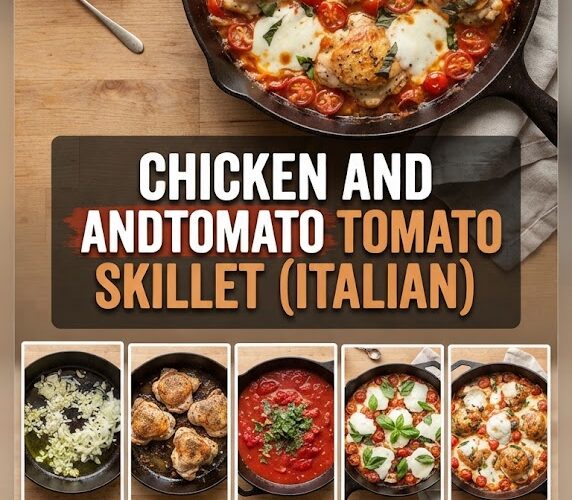
The Italian kitchen is built upon a foundation of simplicity, quality ingredients, and the transformative power of heat. Among the pantheon of classic dishes, few embody these principles as perfectly as the Italian Chicken and Tomato Skillet. It is a dish that resonates with the rustic charm of a Tuscan farmhouse while satisfying the fast-paced demands of modern American life. This one-pan wonder combines lean protein, lycopene-rich tomatoes, and aromatic herbs into a symphony of flavors that is as healthy as it is delicious.
In this exhaustive guide, we will explore every facet of this iconic dish—from its historical roots and nutritional profile to technical cooking mastery and creative variations. Whether you are a seasoned home chef or a novice looking to impress, this is the definitive resource for the perfect Italian Chicken and Tomato Skillet.
The Soul of Italian One-Pan Cooking
To understand the chicken and tomato skillet, one must first understand the concept of cucina povera—the “kitchen of the poor.” Historically, Italian home cooks relied on what was available in their gardens: tomatoes, onions, garlic, and fresh herbs. Meat was often a luxury, so when chicken was prepared, it was cooked in a way that maximized flavor and stretched the ingredients.
The “skillet” method, or in padella, allows the chicken to sear and develop a Maillard reaction (that golden-brown crust) before simmering in a sauce made from the pan’s fond. This process creates a depth of flavor that a simple boil or bake can never achieve. It is the marriage of high-heat searing and low-heat braising that defines the texture of a truly great Italian skillet dish.
The Anatomy of Ingredients: Choosing the Best
The success of a minimal-ingredient dish depends entirely on the quality of those ingredients. Here is a deep dive into what you need.
1. The Chicken: Breast vs. Thighs
The debate between white and dark meat is eternal.
- Chicken Breasts: These are the most common choice for a healthy, lean meal. However, they are prone to drying out. To succeed with breasts, they should be pounded to an even thickness or sliced into cutlets to ensure even cooking.
- Chicken Thighs: Boneless, skinless thighs are the secret weapon of many chefs. They contain more fat, which translates to a more succulent, forgiving meat that stands up well to simmering in tomato sauce.
2. The Tomatoes: The Heart of the Sauce
Not all tomatoes are created equal.
- San Marzano: Grown in the volcanic soil of Mount Vesuvius, these are the gold standard. They are sweet, low in acidity, and contain fewer seeds.
- Fresh Cherry or Grape Tomatoes: These add a burst of sweetness and a beautiful aesthetic. When they burst in the skillet, their natural pectins thicken the sauce.
- Canned Crushed Tomatoes: For a saucier version, high-quality canned tomatoes provide a consistent base year-round.
3. Aromatics and Herbs
- Garlic: Never use the pre-minced jars. Fresh garlic, thinly sliced or smashed, provides a mellow, buttery flavor that defines Italian cooking.
- Onions/Shallots: Shallots offer a more delicate, sophisticated sweetness, while yellow onions provide a robust backbone.
- Fresh Basil: This should be added at the very end to preserve its bright, peppery essence.
- Dried Oregano: Unlike basil, oregano thrives when cooked in the sauce, releasing an earthy, floral aroma.
4. The Fat
Extra virgin olive oil is non-negotiable. Look for cold-pressed oils with a harvest date. The oil isn’t just for frying; it’s a flavoring agent that carries the fat-soluble aromatics of the garlic and herbs.
Technical Mastery: The Step-by-Step Process
Creating a world-class skillet meal is about technique more than a complex recipe. Follow these phases for optimal results.
Phase 1: Preparation and Searing
- Tempering the Meat: Remove the chicken from the refrigerator 20 minutes before cooking. Cold meat hitting a hot pan causes the muscle fibers to tense up, leading to toughness.
- Seasoning: Season aggressively with kosher salt and cracked black pepper. Salt helps create the crust.
- The Sear: Heat your skillet (cast iron or stainless steel is best) over medium-high heat. Add the olive oil. Place the chicken in the pan and do not touch it for 4-5 minutes. You are looking for a deep golden-brown color. Flip and sear the other side for 2 minutes. The chicken should not be fully cooked at this stage.
Phase 2: Building the Base
- Deglazing: Remove the chicken and set it aside. There will be brown bits (fond) stuck to the pan. Add your onions or shallots, followed by garlic.
- The Liquid: Splash in a bit of dry white wine (like Pinot Grigio) or chicken stock. Use a wooden spoon to scrape up the fond. This is where the concentrated chicken flavor lives.
- The Tomato Integration: Add your tomatoes. If using fresh cherry tomatoes, cook them until they begin to blister and pop.
Phase 3: The Simmer
- Reintroducing the Protein: Nestled the seared chicken back into the tomato mixture. Lower the heat to a simmer.
- The Marriage: Cover the pan partially. This allows the chicken to finish cooking in the steam and juices of the tomatoes, absorbing the acidity and sweetness of the sauce.
Phase 4: The Finish
- The “Glow Up”: Stir in a knob of butter or a final drizzle of extra virgin olive oil for a glossy finish.
- Freshness: Add a handful of torn basil leaves and, if desired, a dusting of freshly grated Parmigiano-Reggiano or Pecorino Romano.
Nutritional Powerhouse: Why This Dish Works for Health
The Italian Chicken and Tomato Skillet is a staple of the Mediterranean Diet, consistently ranked as the healthiest diet in the world.
- Lycopene: Tomatoes are the primary source of lycopene, an antioxidant linked to reduced risk of heart disease and cancer. Interestingly, cooking tomatoes (as we do in a skillet) increases the bioavailability of lycopene.
- Lean Protein: Chicken provides essential amino acids for muscle repair and satiety without the heavy saturated fats found in red meat.
- Heart-Healthy Fats: Olive oil is rich in monounsaturated oleic acid, which helps reduce inflammation.
- Low Carb/Keto Friendly: Naturally low in carbohydrates, this dish is perfect for those managing blood sugar or following a ketogenic lifestyle.
Variations: Taking the Skillet Around Italy
Italy’s regional diversity allows for endless variations of the chicken and tomato theme.
The Tuscan Creamy Skillet
Incorporate heavy cream or mascarpone into the tomato base along with sun-dried tomatoes and spinach. This version is richer and pairs beautifully with crusty bread to soak up the velvet-like sauce.
The Sicilian Spicy Skillet (Arrabbiata Style)
Add a generous amount of crushed red pepper flakes (peperoncino) and capers. The saltiness of the capers against the heat of the pepper creates a vibrant, punchy flavor profile characteristic of Southern Italy.
The Hunter’s Style (Pollo alla Cacciatora)
Add sliced mushrooms, bell peppers, and a splash of red wine. This version is heartier and traditionally uses bone-in chicken pieces for a more “wild” and rustic taste.
The Mediterranean Garden Skillet
Incorporate zucchini, artichoke hearts, and Kalamata olives. This version emphasizes the vegetable-forward nature of Italian coastal cooking.
Perfect Pairings: Completing the Meal
While the skillet is a star on its own, the right accompaniments can elevate the dining experience.
Starchy Foundations
- Pasta: A long pasta like Linguine or a short shape like Penne Rigate (the ridges hold the tomato sauce perfectly).
- Polenta: Creamy, buttery polenta provides a soft, corn-based bed that absorbs the juices.
- Zucchini Noodles: For a low-carb option, “zoodles” provide a fresh crunch that complements the cooked tomatoes.
Wine Pairings
- White: A crisp Vermentino or a Sauvignon Blanc. The acidity in the wine matches the acidity in the tomatoes.
- Red: A light Chianti (Sangiovese-based). The tannins are soft enough not to overwhelm the chicken, but the cherry notes pair beautifully with the tomato sauce.
Side Salads
A simple Arugula salad with shaved fennel, lemon juice, and olive oil provides a peppery, acidic counterpoint to the warm, savory skillet.
Common Mistakes and How to Avoid Them
Even the simplest dishes have pitfalls. Here is how to ensure success every time.
- Overcrowding the Pan: If you put too much chicken in the skillet at once, the temperature drops, and the meat will steam instead of sear. Cook in batches if necessary.
- Burning the Garlic: Garlic cooks very quickly. Always add it after the onions have softened, and only cook it until it becomes fragrant (about 30-60 seconds) before adding liquid.
- Using High Heat for Too Long: Once the tomatoes are in, lower the heat. Boiling the sauce too hard can cause the chicken to become rubbery and the olive oil to lose its delicate flavor.
- Neglecting the Resting Period: Just like a steak, chicken needs to rest for a few minutes after cooking to allow the juices to redistribute.
Expert Tips for the Home Chef
- The “Salt the Tomatoes” Trick: Sprinkle a tiny pinch of sugar and a good amount of salt on your fresh tomatoes as they cook. The sugar balances the natural acidity, especially if the tomatoes aren’t at peak ripeness.
- Use a Meat Thermometer: Chicken is safe and juiciest at 165°F (74°C). Pulling it at 160°F and letting it carry-over cook while resting ensures it never reaches that “woody” texture.
- Fresh vs. Dried Herbs: Remember the 1:3 rule. One tablespoon of fresh herbs equals one teaspoon of dried. However, for basil, always try to go fresh.
- The Cheese Quality: Avoid the green shaker cans. Buy a wedge of Parmesan and grate it yourself. The pre-shredded stuff is coated in potato starch to prevent clumping, which ruins the meltability of the sauce.
Storage and Meal Prep
The Italian Chicken and Tomato Skillet is a meal-prepper’s dream. Because the chicken is submerged in a sauce, it stays moist when reheated—a rarity for chicken breast recipes.
- Fridge: Store in an airtight container for up to 4 days.
- Freezer: This dish freezes remarkably well. Ensure it is completely cool before placing it in a freezer-safe bag. It will last for up to 3 months.
- Reheating: For best results, reheat in a skillet over low heat with a splash of water or chicken broth to loosen the sauce. Avoid the microwave if possible, as it can make the chicken “rubbery.”
Frequently Asked Questions (FAQ)
Can I use frozen chicken? Yes, but ensure it is completely thawed and patted dry with paper towels. Excess moisture on the surface of the chicken will prevent it from searing properly.
What if my sauce is too acidic? This is common with certain canned tomato brands. Add a teaspoon of butter or a very small amount of honey/sugar. The fat or sweetness will neutralize the sharp acidic bite.
Can I make this dairy-free? Absolutely. The core recipe is naturally dairy-free. Simply omit the Parmesan garnish or use a nutritional yeast substitute.
Which skillet is best? A 12-inch cast-iron skillet is ideal for heat retention and searing. A stainless steel “all-clad” pan is also excellent for developing fond. Avoid non-stick pans if you want a professional-grade sear, as they don’t allow for the same level of browning.
The Cultural Significance of the “Family Style” Meal
In Italy, dinner is more than just caloric intake; it is a ritual. The skillet dish is the centerpiece of this ritual. It is often placed directly in the center of the table, inviting everyone to dig in. This “one-pot” philosophy fosters a sense of community and reduces the time spent cleaning, allowing more time for la dolce vita—the sweet life.
By mastering the Italian Chicken and Tomato Skillet, you aren’t just learning a recipe; you are adopting a lifestyle that values quality, health, and the joy of a home-cooked meal.
Final Thoughts: A Recipe for Every Season
While we often think of tomato dishes as summer fare, the beauty of the Italian skillet is its versatility. In the summer, use heirlooms and vine-ripened sweets. In the winter, use high-quality canned San Marzanos and dried herbs to bring a touch of Mediterranean sunshine to a cold evening.
This dish is a testament to the fact that you don’t need a pantry full of exotic ingredients to create a five-star meal. With a few pieces of chicken, a handful of tomatoes, and the right technique, you can transport your kitchen to the heart of Italy.
Bon Appétit / Buon Appetito!