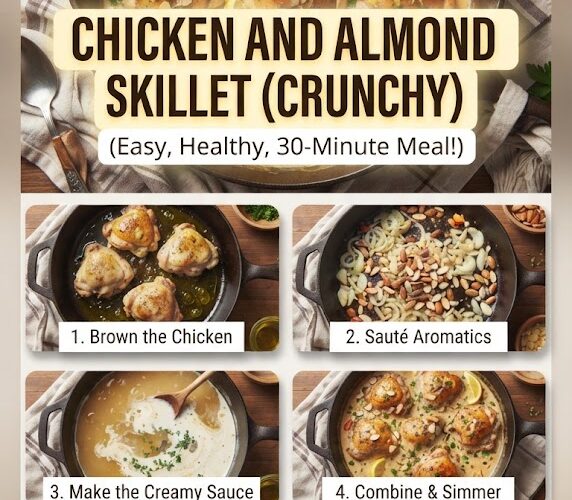
In the world of home cooking, few things are as satisfying as a meal that hits every sensory note. We look for the golden sear of perfectly cooked protein, the vibrant colors of fresh vegetables, and—perhaps most importantly—the elusive “crunch.” The Chicken and Almond Skillet is a masterclass in culinary balance. It is a dish that marries the tenderness of poultry with the earthy, toasted snap of almonds, all tied together in a single pan.
This isn’t just another weeknight dinner; it is a versatile, nutrient-dense powerhouse that fits into keto, paleo, and whole-food diets alike. Whether you are a busy parent looking for a 30-minute miracle or a gourmet enthusiast seeking to perfect your skillet technique, this comprehensive guide will walk you through every nuance of creating the perfect crunchy chicken and almond skillet.
The Science of the Crunch: Why Almonds and Chicken Work
Texture is often the “forgotten” element of cooking, yet it is what makes a dish memorable. When we eat, our brains crave “textural contrast.” This is the principle that makes croutons in a salad or a crust on a steak so appealing.
In a Chicken and Almond Skillet, the almonds serve as the textural anchor. While the chicken provides a soft, succulent base, the almonds offer a mechanical resistance that keeps the palate engaged. Furthermore, when almonds are toasted in a skillet, their oils are released, enhancing their nutty aroma and creating a deeper, more complex flavor profile that complements the savory notes of the chicken.
The Nutritional Powerhouse
Beyond texture, this dish is a nutritional goldmine.
- Chicken: A lean source of high-quality protein, essential for muscle repair and satiety.
- Almonds: Packed with monounsaturated fats (heart-healthy fats), Vitamin E, and magnesium. They provide a sustained energy source and help regulate blood sugar.
- Vegetables: Usually included in this skillet are bell peppers, snap peas, or broccoli, providing a rainbow of antioxidants and fiber.
Choosing Your Ingredients: Quality Matters
To achieve a restaurant-quality skillet at home, you must start with the right components. Each ingredient plays a specific role in the final architecture of the dish.
1. The Chicken: Breast vs. Thighs
The debate between chicken breast and thighs is eternal.
- Chicken Breasts: These are ideal for those watching their calorie intake. To keep them from drying out in a high-heat skillet, they should be sliced thinly across the grain or cubed into uniform 1-inch pieces.
- Chicken Thighs: Preferred by many chefs for their higher fat content, which leads to a more flavorful and “forgiving” meat. Thighs are less likely to overcook and stay juicy even under intense heat.
2. The Almonds: Sliced, Slivered, or Whole?
The shape of the almond dictates the “crunch factor.”
- Slivered Almonds: These are the gold standard for stir-fries and skillets. Their matchstick shape provides a significant crunch without being too bulky.
- Sliced (Flaked) Almonds: These offer a more delicate crunch. They toast very quickly, so they require a watchful eye.
- Whole Almonds: Use these if you want a very rustic, aggressive crunch, but be aware they can be difficult to eat alongside tender chicken pieces.
3. The Aromatics
Never underestimate the power of the “holy trinity” of aromatics:
- Fresh Garlic: Minced or thinly sliced.
- Ginger: Freshly grated ginger adds a zing that cuts through the richness of the nuts.
- Green Onions: Used both in the cooking process and as a fresh garnish.
The Secret Technique: Toasting and Velveting
Professional chefs use two specific techniques to make their chicken and almond dishes stand out: Dry Toasting and Velveting.
Dry Toasting the Almonds
Most home cooks make the mistake of adding the nuts at the end without prepping them. To unlock the full potential of an almond, you must toast it first.
- Place a dry skillet over medium heat.
- Add the almonds in a single layer.
- Toss frequently for 3-5 minutes until they turn golden brown and smell fragrant.
- Remove them from the pan immediately to stop the cooking process. This ensures they remain crispy even after being tossed in sauce later.
Velveting the Chicken
If you’ve ever wondered why restaurant chicken is so much silkier than home-cooked chicken, “velveting” is the answer. This Chinese technique involves coating the raw chicken in a mixture of cornstarch (or arrowroot powder for paleo), egg white, and a splash of rice vinegar or oil before searing. This creates a protective barrier that seals in juices and gives the meat a smooth, velvety texture that contrasts beautifully with the crunchy almonds.
The Master Recipe: Crunchy Chicken and Almond Skillet
This recipe serves four and is designed to be completed in one pan for minimal cleanup.
Ingredients
- 1.5 lbs Chicken breast or thighs, cut into bite-sized pieces
- 1 cup slivered almonds
- 2 tablespoons avocado oil or coconut oil (high smoke point)
- 1 large red bell pepper, thinly sliced
- 2 cups sugar snap peas or broccoli florets
- 3 cloves garlic, minced
- 1 tablespoon fresh ginger, grated
- 3 tablespoons soy sauce (or coconut aminos for soy-free)
- 1 tablespoon honey or maple syrup (optional)
- 1 teaspoon toasted sesame oil
- Red pepper flakes (to taste)
- Sliced green onions and sesame seeds for garnish
Step-by-Step Instructions
Phase 1: The Almond Foundation
Start by heating your large skillet over medium heat. Add the slivered almonds. Move them constantly with a spatula. Once they reach a deep golden hue, move them to a small bowl and set aside. Do not leave them in the hot pan, or they will burn from the residual heat.
Phase 2: Searing the Protein
Increase the heat to medium-high. Add one tablespoon of your chosen oil. Once the oil is shimmering, add the chicken in a single layer. If your pan is small, do this in two batches to avoid crowding, which causes the chicken to steam rather than sear. Let the chicken sit undisturbed for 2-3 minutes to develop a golden-brown crust. Flip and cook for another 2 minutes until just cooked through. Remove chicken from the pan and set aside with the almonds.
Phase 3: The Vegetable Sauté
Add the remaining tablespoon of oil to the same pan. Toss in the bell peppers and snap peas. The goal here is “tender-crisp”—you want the vegetables to be bright and cooked but still hold a firm bite. Sauté for 3-4 minutes. In the last 60 seconds of cooking, add the garlic and ginger. The aroma will be immediate and intense.
Phase 4: The Glaze
Whisk together the soy sauce, honey (if using), and sesame oil in a small cup. Pour this mixture into the pan with the vegetables. It will bubble and thicken almost instantly.
Phase 5: The Assembly
Return the chicken and the toasted almonds to the skillet. Toss everything together vigorously so that every piece of chicken and every almond sliver is coated in the glossy, savory glaze. Cook for just 1 minute more to ensure everything is hot.
Phase 6: The Finishing Touches
Remove from heat. Garnish generously with green onions and a sprinkle of red pepper flakes for heat. Serve immediately to preserve the crunch of the almonds.
Regional Variations: Taking the Skillet Around the World
The beauty of the chicken and almond combination is its adaptability. Depending on the spices and sauces you use, you can take this dish in several different culinary directions.
1. The Mediterranean Variation
Instead of soy sauce and ginger, use lemon juice, zest, and dried oregano.
- The Crunch: Keep the toasted almonds.
- The Veggies: Use zucchini, cherry tomatoes, and artichoke hearts.
- The Finish: Top with crumbled feta cheese and fresh parsley.
2. The Spicy Sichuan Variation
For those who love heat, transform the skillet into a spicy masterpiece.
- The Crunch: Use whole roasted almonds.
- The Heat: Add dried Sichuan peppercorns and a tablespoon of chili crisp or sambal oelek.
- The Veggies: Celery and leeks work perfectly here, adding a different kind of structural crunch.
3. The Creamy Garlic Variation (Keto-Friendly)
If you want something more indulgent, go the creamy route.
- The Sauce: Use heavy cream or full-fat coconut milk mixed with stone-ground mustard.
- The Crunch: Use smoked almonds for a deeper, wood-fired flavor.
- The Veggies: Spinach and mushrooms complement the creaminess perfectly.
The Art of the One-Pan Meal: Tips for Success
A skillet meal seems simple, but it requires strategy to avoid the dreaded “mushy” outcome.
Managing Moisture
The enemy of “crunchy” is moisture. If you add too many watery vegetables (like mushrooms or frozen spinach) at once, the pan temperature will drop, and the chicken will boil in its own juices. To prevent this:
- Pat the chicken dry with paper towels before seasoning.
- Don’t overcrowd. If the bottom of the pan is completely covered, steam is trapped.
- High heat is your friend. You want to sear, not simmer.
The Importance of the Pan
The material of your skillet matters.
- Cast Iron: The king of heat retention. It gives the best sear on the chicken and the most even toast on the almonds.
- Stainless Steel: Great for “fond” (the brown bits stuck to the bottom), which adds incredible flavor to your sauce.
- Non-Stick: Easier cleanup, but it’s harder to get a truly deep, golden sear on the protein.
Pairing Suggestions: Completing the Meal
While the Crunchy Chicken and Almond Skillet is a complete meal on its own, you can elevate it by serving it alongside the right accompaniments.
Grains and Bases
- Jasmine Rice: The floral aroma of jasmine rice is a classic pairing for Asian-inspired skillets.
- Quinoa: For an extra protein boost and an earthy flavor.
- Cauliflower Rice: To keep the meal low-carb and keto-friendly.
- Rice Noodles: Toss the skillet contents directly with cooked thin rice noodles for a “chow mein” style experience.
Drink Pairings
- White Wine: A crisp Sauvignon Blanc or a dry Riesling cuts through the richness of the almonds and the saltiness of the soy sauce.
- Beer: A light Lager or a citrusy Pale Ale works wonders.
- Non-Alcoholic: A sparkling water with a squeeze of lime and a slice of fresh ginger mirrors the aromatics in the dish.
Meal Prep and Storage: Maintaining the Crunch
Many people ask, “Can I meal prep a crunchy dish?” The answer is yes, but with a caveat.
How to Store
Store the chicken and vegetable mixture in an airtight container in the refrigerator for up to 4 days.
The Reheating Secret
The biggest mistake is reheating the dish in the microwave with the almonds already mixed in. The almonds will absorb moisture from the sauce and become soft.
- The Pro Tip: If you are meal prepping, store your toasted almonds in a separate small container or a zip-top bag at room temperature.
- Reheating: Heat the chicken and veggies in a skillet over medium heat (or microwave if necessary). Once hot, toss in the room-temperature almonds right before eating. This ensures that the “crunchy” part of the title remains true even on day four.
Troubleshooting Common Issues
Even the best cooks run into trouble sometimes. Here is how to fix common mishaps:
1. The Almonds Burned
Almonds go from “perfectly toasted” to “burnt” in about 15 seconds. If they burn, throw them out. Burnt almonds are intensely bitter and will ruin the entire flavor of the dish. Start over; it only takes 5 minutes.
2. The Sauce is Too Thin
If your sauce isn’t clinging to the chicken, mix 1 teaspoon of cornstarch with 1 tablespoon of cold water (a slurry) and pour it into the bubbling sauce. It will thicken into a glossy glaze within seconds.
3. The Chicken is Tough
This usually happens from overcooking. Next time, try the velveting technique mentioned above, or switch from chicken breast to chicken thighs, which are much harder to overcook.
Nutritional Deep Dive: Why This Meal is a Winner
In the modern health landscape, we often look for “functional foods.” This skillet is the definition of functional.
Macro-Nutrient Breakdown (Estimates per serving)
- Protein: 35-45g (High satiety, muscle maintenance).
- Healthy Fats: 15-20g (Primarily from almonds and avocado oil).
- Carbohydrates: 10-15g (Mostly from fiber-rich vegetables).
Micro-Nutrient Highlights
- Vitamin E: Found in high concentrations in almonds, this acts as a powerful antioxidant, protecting your cells from oxidative stress and supporting skin health.
- Magnesium: Almonds provide magnesium, which is crucial for over 300 biochemical reactions in the body, including nerve function and blood pressure regulation.
- Vitamin C: Provided by the bell peppers and snap peas, essential for immune support and collagen production.
Why This Recipe is Perfect for the Busy Professional
One of the biggest hurdles to healthy eating is time. The Crunchy Chicken and Almond Skillet addresses this by being a “one-pan wonder.”
- Minimal Prep: If you buy pre-sliced almonds and pre-cut vegetables, your active prep time drops to under 10 minutes.
- Fast Cooking: Because the chicken and vegetables are cut small, the actual cooking time is less than 15 minutes.
- Easy Cleanup: One skillet and one spatula mean you won’t be standing at the sink for half an hour after dinner.
Elevating Your Dish: The “Gourmet” Touch
If you are cooking for guests and want to take this humble skillet to a five-star level, consider these “cheffy” additions:
- Zest at the End: Fresh lemon or lime zest added after the heat is turned off provides a bright, volatile oil aroma that fills the room.
- The Umami Bomb: Add a teaspoon of fish sauce or a small amount of miso paste to your sauce. You won’t taste “fish” or “soup,” but you will notice a profound depth of flavor that tastes “expensive.”
- Color Contrast: Use a mix of red, yellow, and orange bell peppers to make the dish visually stunning. We eat with our eyes first!
Customizing for Dietary Restrictions
This recipe is incredibly inclusive. Here is how to adapt it for everyone at your table:
- For Gluten-Free: Ensure you use Tamari or Coconut Aminos instead of traditional soy sauce.
- For Keto: Omit the honey/maple syrup. The almonds and bell peppers provide enough natural sweetness.
- For Nut Allergies: While this is an almond skillet, if you are cooking for a group, you can swap the almonds for toasted sunflower seeds or pumpkin seeds (pepitas) to maintain the crunch without the tree nut risk.
- For Vegan/Vegetarian: Replace the chicken with extra-firm tofu cubes or tempeh. Use the same velveting technique on the tofu for a spectacular texture.
The Cultural Heritage of Nut and Poultry Pairings
The combination of nuts and poultry isn’t just a modern health trend; it has deep roots in global cuisine.
- Chinese Cuisine: Think of Almond Chicken or Kung Pao Chicken. These dishes have used nuts for centuries to provide texture and to stretch expensive meat proteins further.
- Middle Eastern Cuisine: Many Persian and Lebanese rice and meat dishes (like Fesenjan) use walnuts or almonds to add richness and body to stews and sautés.
- Spanish Cuisine: Romesco sauces and almond-based poultry stews are staples in various regions of Spain, highlighting the almond’s ability to thicken sauces and provide a creamy-yet-crunchy mouthfeel.
By making this skillet, you are participating in a long-standing culinary tradition of balancing the lightness of bird with the density of the earth’s most nutritious nuts.
Conclusion: Your New Weeknight Staple
The Crunchy Chicken and Almond Skillet is more than the sum of its parts. It is a testament to the fact that healthy food does not have to be boring, and quick meals do not have to lack depth. By focusing on the quality of your chicken, the perfect toast of your almonds, and the vibrant crunch of your vegetables, you create a meal that is as nourishing for the body as it is satisfying for the soul.
Texture, flavor, and nutrition—all in one pan. It’s time to head to the kitchen, grab your skillet, and experience the ultimate crunch for yourself. Whether you follow the master recipe or branch out into Mediterranean or Spicy Sichuan variations, the result remains the same: a spectacular, restaurant-quality meal that you can proudly serve any night of the week.
Final Summary Checklist for the Perfect Skillet:
- Toast the almonds first and set them aside.
- Pat chicken dry and sear on high heat for a golden crust.
- Don’t overcook the veggies; keep them bright and snappy.
- Add the sauce at the end to glaze, not to boil.
- Garnish with fresh greens for a pop of color and flavor.