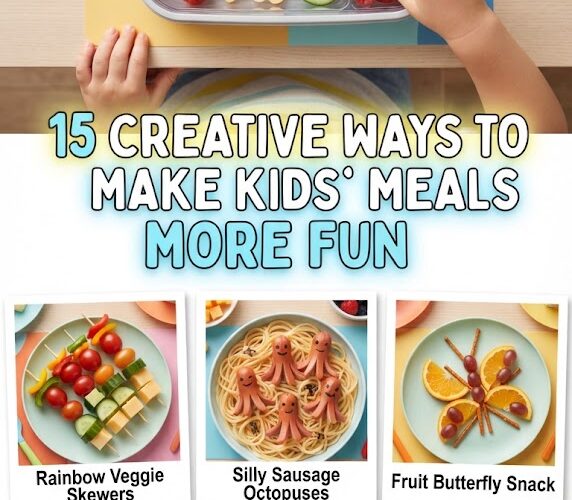
Getting kids excited about mealtime can sometimes feel like a full-time job. One child may refuse anything green, another may eat the same food every day, and another may decide that dinner simply isn’t interesting enough. The good news is that healthy meals do not have to be boring.
With a little creativity, ordinary breakfasts, lunches, snacks, and dinners can become exciting experiences that children actually look forward to. You don’t need expensive ingredients, complicated recipes, or hours in the kitchen. Simple changes such as colorful presentation, fun shapes, DIY food stations, playful names, and letting children participate in preparation can make a big difference.
The goal isn’t to trick children into eating vegetables or force them to clean their plates. Instead, the idea is to create a positive relationship with food and make healthy eating more enjoyable. The USDA recommends offering children a variety of fruits, vegetables, grains, protein foods, and dairy or fortified soy alternatives, while encouraging children to participate in food preparation and family meals.
If you are searching for fun kids meal ideas, creative meals for picky eaters, healthy kids meals, or easy family dinner ideas, these 15 ideas can help transform everyday food into something special.
Why Making Kids’ Meals Fun Matters
Children are naturally curious. They enjoy colors, shapes, stories, games, and opportunities to make choices. Food can become another place where that curiosity develops.
According to the CDC, playful approaches such as making funny faces with food, creating rainbow-colored combinations, allowing children to touch and smell foods, and involving them in preparing meals can help make children more interested in trying different foods.
Making meals fun can also reduce some of the stress surrounding picky eating. Instead of turning every dinner into a battle over vegetables, parents can create an environment where children feel comfortable exploring food at their own pace.
A positive mealtime atmosphere matters, too. Research on family mealtimes has found that positive mealtime environments and parental modeling are associated with healthier child food intake.
So, rather than asking, “How can I make my child eat this?” try asking, “How can I make this meal more inviting?”
Here are 15 creative ideas to try.
1. Turn Food Into Fun Shapes
One of the easiest ways to make kids’ meals more exciting is to change the shape of the food.
A regular sandwich may seem ordinary, but cut it into stars, hearts, dinosaurs, flowers, or circles and suddenly it can feel like a completely different meal.
You can use cookie cutters to create fun shapes from:
- Sandwiches
- Cheese
- Toast
- Pancakes
- Watermelon
- Melon
- Cucumber
- Tortillas
- Homemade pizza
- Cooked vegetables
For example, make a turkey and cheese sandwich, then use a star-shaped cutter to create several small stars. Add strawberries and cucumber slices on the side for a colorful lunch.
For breakfast, pancakes can become hearts, stars, or animals. A simple pancake can also be transformed into a bear face using banana slices, blueberries, and strawberries.
The USDA specifically suggests using cookie cutters to turn foods into fun and easy shapes for children.
Parent tip
Don’t worry about making every meal Pinterest-perfect. Even one fun-shaped item on the plate can make an ordinary meal feel special.
2. Create Rainbow Meals
Kids often respond well to colorful foods. Instead of serving several foods separately without much thought, arrange naturally colorful ingredients into a rainbow.
A rainbow snack could include:
Red: strawberries or watermelon
Orange: carrots or oranges
Yellow: pineapple or corn
Green: cucumber or kiwi
Blue/Purple: blueberries or purple grapes
You can also create a rainbow wrap with colorful vegetables, chicken, cheese, and whole-grain tortillas.
For dinner, try arranging roasted vegetables in different colors next to grilled chicken, beans, brown rice, or another family favorite.
The CDC recommends offering a rainbow of fruits and vegetables as one way to make healthy foods more interesting.
Make it a game
Ask your child:
“Can you find five different colors?”
Or:
“Which color should we eat first?”
This turns eating into a simple activity without making food a competition.
3. Build a DIY Dinner Bar
Some children don’t enjoy meals where everything is mixed together. A DIY food bar gives them more control while still allowing parents to offer a balanced selection.
Try a:
- Taco bar
- Burrito bowl bar
- Pasta bar
- Baked potato bar
- Sandwich bar
- Mini pizza bar
- Yogurt bowl bar
- Breakfast-for-dinner bar
For a taco night, place ingredients in separate bowls:
- Soft tortillas
- Shredded chicken
- Black beans
- Cheese
- Lettuce
- Tomato
- Corn
- Avocado
- Mild salsa
Children can assemble their own tacos.
This approach is especially useful for picky eaters because they can choose familiar foods while being exposed to new options.
It also gives children a sense of independence.
Keep it simple
You don’t need 15 toppings. Three or four familiar choices plus one new ingredient are enough.
The USDA recommends involving children in food selection and preparation, while pediatric guidance also supports giving children appropriate choices around food.
4. Give Foods Silly Names
Sometimes the food itself isn’t the problem. The name is.
Instead of serving “steamed broccoli,” try calling it:
- Tiny Trees
- Dinosaur Trees
- Green Clouds
- Superhero Bites
- Magic Peas
- Rainbow Crunch
- Moon Cheese
- Power Pasta
You can even let your child invent the names.
If you’re making a fruit smoothie, your child might call it a “Purple Power Smoothie.”
If you’re serving a vegetable soup, it could become “Rainbow Soup.”
This doesn’t require changing the recipe at all. You’re simply adding imagination.
Why it works
Children love stories and pretend play. A playful name can create curiosity without pressuring them to eat.
The USDA encourages families to make food fun and even suggests naming foods that children help create.
5. Turn Pancakes Into Characters
Breakfast is a perfect opportunity for creative food presentation.
Make small pancakes and arrange them into a character.
For example, create a simple bear:
- One large pancake for the face
- Two small pancakes for ears
- Banana slices for eyes
- Blueberries for pupils
- Strawberry slices for a mouth
You can make:
- Bears
- Cats
- Dogs
- Owls
- Butterflies
- Monsters
- Snowmen
You can use fruit, yogurt, nut or seed butter where appropriate, and other family-friendly toppings.
This is also a great way to introduce fruits without making the fruit the main focus.
Make breakfast interactive
Put several toppings on the table and allow children to decorate their own pancakes.
They get a fun activity, while parents get an opportunity to offer nutritious ingredients.
6. Make Mini Versions of Favorite Foods
Everything seems more exciting when it is tiny.
Instead of making one large sandwich, create mini sandwiches.
Instead of one large burger, make mini sliders.
Instead of a large pizza, make individual mini pizzas.
Try:
- Mini quesadillas
- Mini pancakes
- Mini sandwiches
- Mini meatballs
- Mini pizzas
- Mini egg muffins
- Mini pasta bowls
- Mini fruit skewers
Small portions can also be less intimidating for children who are hesitant about new foods.
The USDA recommends starting with small portions when introducing new foods to picky eaters.
A simple dinner idea
Create mini pita pizzas using:
- Whole-grain mini pitas
- Tomato sauce
- Mozzarella cheese
- Chicken
- Bell peppers
- Mushrooms
Let each child choose a few toppings.
7. Create Food Faces
Food faces are one of the simplest ways to make kids’ meals fun.
Use foods as facial features.
For example:
Eyes: blueberries, peas, olives, cucumber
Hair: shredded cheese, lettuce, noodles
Nose: carrot slice
Mouth: strawberry, bell pepper, banana
Ears: apple slices
Try making a funny face on:
- Toast
- Oatmeal
- Yogurt
- Rice
- Pancakes
- Sandwiches
- Smoothie bowls
The CDC specifically recommends making funny faces with fruits and vegetables as a playful strategy for picky eaters.
Let your child design the face
Instead of doing everything yourself, give your child the ingredients and ask:
“What kind of face should we make today?”
It becomes a creative activity rather than simply another meal.
8. Let Kids Become Little Chefs
Children are often more interested in food when they have helped prepare it.
Depending on their age and abilities, children can help:
- Wash fruits
- Tear lettuce
- Stir ingredients
- Measure ingredients
- Mix yogurt
- Arrange fruit
- Assemble sandwiches
- Sprinkle cheese
- Choose vegetables
- Set the table
Younger children can perform simple tasks under close adult supervision, while older children may be able to handle more complicated preparation.
The USDA recommends involving children in age-appropriate food preparation, while the CDC also encourages children to participate in preparing healthy meals and snacks.
Create a weekly tradition
Choose one day each week as “Little Chef Day.”
Your child can help choose the recipe, gather ingredients, and prepare part of the meal.
Over time, this can help children become more comfortable around unfamiliar foods.
9. Have a Build-Your-Own Snack Plate
Snack time doesn’t have to mean grabbing a packaged snack.
Create a snack board with several small options.
For example:
Fruit
- Apple slices
- Strawberries
- Blueberries
- Banana
Protein
- Yogurt
- Cheese
- Hummus
- Nut or seed butter, when appropriate
Grains
- Whole-grain crackers
- Toast
- Mini pita
Vegetables
- Cucumber
- Carrots
- Bell peppers
Children can select a few items and create their own plate.
This makes snack time feel like a mini picnic.
It also introduces variety without requiring children to eat everything.
10. Try a Theme Night
Theme nights can make dinner something children anticipate.
You could have:
Taco Tuesday
Pizza Friday
Breakfast-for-Dinner Wednesday
Rainbow Saturday
Pasta Night
Picnic Dinner
Around-the-World Night
For an Italian-inspired night, serve pasta with tomato sauce, vegetables, fruit, and another protein food.
For a Mexican-inspired dinner, create a taco or burrito bowl station.
For breakfast-for-dinner night, serve eggs, whole-grain toast, fruit, and pancakes.
Theme nights also make weekly meal planning easier because everyone knows what type of meal is coming.
Recent family meal-planning guidance also highlights recurring theme nights as a practical way to reduce decision fatigue for busy families.
11. Have a Picnic on the Floor
Who says dinner has to happen at the dining table?
Occasionally, move the meal to a blanket in the living room, backyard, or park.
Pack simple foods such as:
- Sandwiches
- Fruit
- Vegetable sticks
- Cheese
- Whole-grain crackers
- Chicken pieces
- Yogurt
Spread out a blanket and call it a “family picnic.”
For an indoor picnic, you can turn off screens, put down a blanket, and make the meal feel like an event.
The important part is to keep the environment relaxed and positive.
Family mealtimes can provide opportunities for connection and social interaction, and research suggests that a positive atmosphere is associated with healthier eating patterns.
12. Create a Food Adventure
Turn trying unfamiliar foods into an exploration instead of a demand.
Choose one new food and investigate it together.
Ask:
- What color is it?
- Is it soft or crunchy?
- What does it smell like?
- Is it sweet, sour, salty, or mild?
- Where does it grow?
- What foods does it remind you of?
Children don’t necessarily need to eat a large amount of a new food.
They can look at it, touch it, smell it, or taste a tiny amount.
The CDC encourages children to use senses such as touch, smell, and taste when exploring unfamiliar foods.
The USDA also notes that children may need repeated exposure before accepting a new food and recommends patience rather than expecting immediate acceptance.
Keep the pressure low
Instead of saying:
“You have to eat the broccoli.”
Try:
“Would you like to smell it or take a tiny taste?”
That small change can make mealtime much more comfortable.
13. Make a Color-of-the-Day Challenge
Choose one color and build part of the meal around it.
For example:
Red Day
- Strawberries
- Tomatoes
- Red bell peppers
- Watermelon
Green Day
- Cucumber
- Kiwi
- Peas
- Broccoli
Orange Day
- Carrots
- Oranges
- Sweet potatoes
- Mango
Purple Day
- Blueberries
- Purple grapes
- Eggplant
- Purple cabbage
You don’t have to make every item the same color.
Simply choose one color and challenge your kids to find three foods that match.
This activity can introduce children to different fruits and vegetables while making the meal visually exciting.
14. Turn Leftovers Into Something New
Leftovers can become boring when they look exactly the same the next day.
Instead, transform them.
Leftover chicken
Turn it into:
- Tacos
- Quesadillas
- Rice bowls
- Wraps
- Mini pizzas
Leftover vegetables
Turn them into:
- Omelets
- Pasta
- Fried rice
- Quesadillas
- Soup
Leftover rice
Turn it into:
- Rice bowls
- Burritos
- Fried rice
- Stuffed peppers
This is especially useful for busy American families trying to save time and reduce food waste.
You can even let children decide how leftovers should be transformed.
Ask:
“Should we make tacos or quesadillas tonight?”
Giving two choices makes the child part of the decision.
15. Let Kids Create Their Own Signature Meal
One of the best ways to make meals memorable is to let children create their own signature dish.
Give the meal a name.
For example:
Sophie’s Rainbow Wrap
or
Ethan’s Superhero Snack Plate
or
Mia’s Mini Pizza
The child can choose ingredients from a parent-approved selection.
Then write the recipe down.
You can even create a family recipe book where every child contributes their favorite meal.
This activity gives children a sense of ownership and makes food preparation feel meaningful.
The USDA encourages children to help create and name their own foods, turning meals into opportunities for learning and family memories.
How to Make Healthy Kids Meals More Appealing
Making meals fun doesn’t mean every meal needs to contain sugary treats or highly processed foods.
Healthy food can be exciting too.
Try combining different:
- Colors
- Textures
- Shapes
- Flavors
- Temperatures
For example, a simple lunch could include:
Protein: grilled chicken
Grain: whole-grain pita
Vegetable: cucumber and carrots
Fruit: strawberries
Dairy: yogurt
Another option might be:
Protein: beans
Grain: brown rice
Vegetable: corn and bell peppers
Fruit: mango
Dairy: cheese
The goal is variety rather than perfection.
MyPlate guidance encourages offering children foods from different food groups throughout the day, including fruits, vegetables, grains, protein foods, and dairy or fortified soy alternatives.
Fun Meal Ideas for Picky Eaters
Picky eating is common in childhood, and it can make family meals challenging. The American Academy of Pediatrics notes that selective eating is particularly common in young children and recommends a low-pressure approach to help make mealtimes more enjoyable.
Here are some practical ideas:
1. Serve one familiar food
If you’re introducing a new vegetable, serve it alongside something your child already likes.
2. Start small
A tiny portion of an unfamiliar food can feel less intimidating than a large serving.
3. Don’t force bites
Pressure can make mealtimes more stressful.
4. Keep offering foods
A child rejecting a food once doesn’t necessarily mean they will reject it forever.
5. Model healthy eating
Children watch what adults eat. Sit together when possible and let them see you enjoying different foods.
6. Let children participate
Shopping, washing, arranging, and assembling food can increase their interest.
7. Keep the mood positive
Try not to turn every meal into a negotiation.
The USDA advises patience with new foods and notes that children may need multiple opportunities to become comfortable with unfamiliar foods.
7 Easy Fun Kids Meal Combinations
If you’re short on time, try these simple combinations.
1. Rainbow Lunch Box
- Turkey or chicken
- Whole-grain crackers
- Cucumber
- Carrots
- Strawberries
- Blueberries
- Cheese
Arrange everything by color.
2. Mini Pizza Night
- Mini whole-grain crusts or pitas
- Tomato sauce
- Cheese
- Chicken
- Bell peppers
- Mushrooms
Let kids build their own pizzas.
3. Breakfast Face
- Pancake
- Banana
- Blueberries
- Strawberries
- Yogurt
Use the fruit to make a face.
4. DIY Taco Bowl
- Rice
- Beans
- Chicken
- Corn
- Tomato
- Avocado
- Cheese
Allow everyone to assemble their own bowl.
5. Snack Rainbow
- Apple
- Orange
- Cucumber
- Strawberries
- Blueberries
- Whole-grain crackers
- Yogurt
Arrange everything in a rainbow.
6. Animal Toast
Use whole-grain toast, fruit, yogurt, and nut or seed butter where appropriate to create an animal face.
7. Picnic Dinner
Pack simple sandwiches, fruit, vegetables, cheese, and crackers and enjoy the meal outside.
How to Make Kids’ Lunches More Fun
Lunch doesn’t have to be complicated.
A few small changes can make a major difference.
Use:
- Colorful lunch containers
- Small compartments
- Food picks designed for children
- Fun sandwich shapes
- Fruit shapes
- Mini portions
- Different textures
You can create a simple bento-style lunch with separate sections for different foods.
For example:
Section 1: turkey and cheese stars
Section 2: cucumber circles
Section 3: strawberries
Section 4: whole-grain crackers
Section 5: yogurt
Children may enjoy having several small foods to choose from rather than one large meal.
For school lunches, always follow your child’s school rules and age-appropriate food-safety practices.
How to Make Dinner Less Stressful
The best kids meal ideas are the ones families can actually use.
You don’t need to create elaborate food art every night.
Save the more creative ideas for weekends or days when you have extra time.
On busy nights, use simple strategies:
Make ingredients ahead
Cook a batch of rice, chicken, beans, or vegetables that can be reused throughout the week.
Use flexible meals
Tacos, bowls, wraps, pasta, and pizzas are easy to customize.
Keep emergency foods available
Frozen vegetables, canned beans, whole-grain pasta, eggs, yogurt, and fruit can help you create a quick meal.
Prep components instead of full meals
Preparing ingredients separately gives you flexibility throughout the week. This approach has also been highlighted in recent family meal-prep guidance for busy households.
A Simple 7-Day Fun Kids Meal Plan
Here’s an example of how you can incorporate these ideas throughout the week.
Monday: Funny Face Breakfast
Pancakes decorated with banana and blueberries, plus strawberries.
Tuesday: DIY Taco Night
Chicken, beans, tortillas, corn, lettuce, tomato, cheese, and avocado.
Wednesday: Rainbow Lunch
Turkey and cheese sandwich shapes with colorful fruit and vegetables.
Thursday: Mini Pizza Night
Individual mini pizzas with several topping choices.
Friday: Picnic Dinner
Sandwiches, fruit, cucumber, carrots, cheese, and whole-grain crackers.
Saturday: Little Chef Day
Let children help prepare homemade wraps or bowls.
Sunday: Food Adventure
Choose one new fruit or vegetable and explore its color, smell, texture, and taste.
This type of routine can make meals more predictable while still keeping them interesting.
Important Safety Tips for Kids’ Meals
Fun presentation should always come after food safety.
Children need foods prepared in age-appropriate shapes, sizes, and textures. The CDC emphasizes choosing appropriate food size, consistency, and shape for a child’s age and developmental stage to reduce choking risk.
Parents and caregivers should also supervise young children while they eat.
For younger children, take extra care with foods that may present choking risks. If you are unsure whether a particular food is appropriate for your child’s age or developmental stage, consult your pediatrician.
Also consider allergies, intolerances, dietary restrictions, and individual nutritional needs.
If you have concerns about your child’s growth, eating habits, nutrition, or extremely limited food choices, speak with a pediatrician or qualified registered dietitian.
Don’t Make the Goal a Clean Plate
One of the biggest mistakes parents can make is turning fun meals into another way to pressure children to eat.
The CDC recommends paying attention to children’s hunger and fullness cues, while its mealtime guidance notes that children do not have to finish everything on their plates.
Instead of saying:
“You need to finish your vegetables.”
Try:
“Would you like more?”
or:
“Are you still hungry?”
This keeps the focus on helping children learn to recognize their own hunger and fullness.
The purpose of creative kids meals isn’t to make children eat more than they need. It’s to make food exploration enjoyable.
The Secret to Fun Family Meals
You don’t need to make every plate look like a work of art.
Sometimes the most effective strategy is simply involving your children.
Let them:
- Pick a fruit at the grocery store
- Choose between two vegetables
- Wash produce
- Stir ingredients
- Arrange food
- Decorate pancakes
- Build tacos
- Name a recipe
- Set the table
- Choose a theme night
The USDA recommends involving children in shopping and food preparation, while the CDC encourages age-appropriate participation in preparing healthy foods.
When children participate, mealtime becomes more than eating. It becomes a chance to learn, experiment, create, and spend time together.
Final Thoughts
Making kids’ meals more fun doesn’t require expensive ingredients or elaborate recipes. A sandwich cut into a star, a colorful fruit plate, a DIY taco bar, a funny pancake face, or a family picnic can completely change the mood around the table.
The most important thing is to keep meals positive and flexible.
Offer a variety of nutritious foods. Give children opportunities to participate. Introduce unfamiliar foods without pressure. Let them explore different colors, textures, smells, and flavors. And remember that children don’t have to love every food immediately.
Some days your child may happily eat vegetables. Other days, they may only want the familiar foods they know. That’s part of learning to eat.
By making food creative and family meals enjoyable, you can help children develop positive experiences around food while creating memories together.
Start with one idea this week. Cut a sandwich into a fun shape. Create a rainbow snack. Let your child build their own taco. Or simply ask them to help prepare dinner.
You may be surprised by how much difference a little creativity can make.
Frequently Asked Questions
How can I make healthy meals more fun for kids?
Use colorful foods, fun shapes, food faces, mini portions, DIY meal stations, playful names, and themed dinners. You can also let children help prepare and assemble their meals.
What are good fun meal ideas for picky eaters?
Try mini pizzas, DIY tacos, snack boards, colorful fruit plates, pancake faces, sandwiches cut into shapes, and meals that combine one familiar food with one new food.
How do I encourage my child to try new foods?
Start with small portions, serve new foods alongside familiar favorites, model healthy eating, and keep offering foods without pressure. Children may need repeated exposure before becoming comfortable with a new food.
How can I make vegetables more appealing to kids?
Try cutting vegetables into fun shapes, serving colorful combinations, creating food faces, allowing kids to choose between vegetables, or involving them in washing and preparing vegetables.
Should I force my child to finish their plate?
Generally, avoid turning meals into battles over finishing food. The CDC advises paying attention to children’s hunger and fullness cues rather than requiring them to finish everything on their plate.
What are easy fun dinners for busy families?
DIY tacos, mini pizzas, pasta bowls, quesadillas, breakfast-for-dinner meals, rice bowls, and build-your-own wraps are flexible options that can be prepared quickly and customized for different preferences.
How can I make school lunches more exciting?
Use small portions, colorful fruits and vegetables, fun sandwich shapes, separate compartments, and a mix of familiar and new foods. Keep the foods practical for your child’s school environment and follow school allergy and food-safety policies.
Can kids help prepare their own meals?
Yes. Age-appropriate kitchen tasks can include washing produce, stirring, measuring, assembling sandwiches, arranging fruit, and setting the table. Young children should always be supervised appropriately.