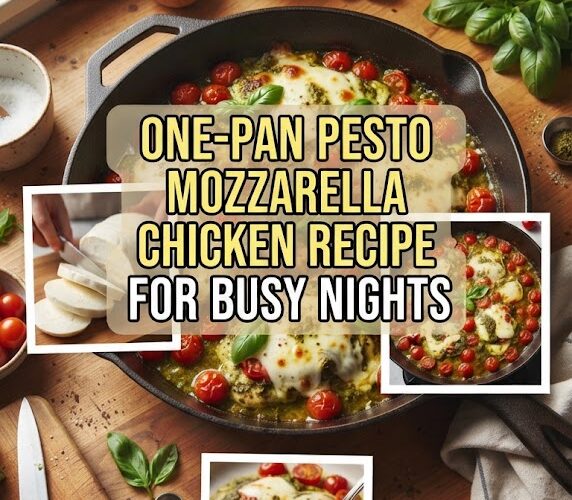
In the fast-paced modern world, the dinner hour often feels less like a time for relaxation and more like a final hurdle in a marathon. After a long day of work, commuting, and managing household responsibilities, the prospect of facing a mountain of pots and pans can be enough to drive anyone toward the nearest takeout menu. However, there is a middle ground between culinary exhaustion and uninspired fast food. Enter the One-Pan Pesto Mozzarella Chicken.
This dish is not just a recipe; it is a strategic solution for busy families, fitness enthusiasts, and anyone who values high-quality nutrition without the high-intensity cleanup. By combining the bright, herbaceous notes of Italian pesto with the creamy, indulgent melt of mozzarella and the lean protein of chicken breast, you create a symphony of flavors that tastes like it spent hours in a professional kitchen, despite taking only thirty minutes from fridge to table.
Why the One-Pan Method is a Culinary Revolution
The “one-pan” philosophy has taken the culinary world by storm, and for good reason. It’s a method that prioritizes efficiency without sacrificing the integrity of the ingredients. When you cook everything in a single vessel—be it a cast-iron skillet, a heavy-bottomed frying pan, or a sheet pan—you allow the flavors to meld in a way that multi-pot cooking often misses.
In this specific recipe, the juices from the chicken intermingle with the olive oil from the pesto and the moisture from the melting cheese, creating a natural sauce that coats any accompanying vegetables. Beyond the flavor benefits, the psychological relief of knowing there is only one pan to scrub at the end of the night cannot be overstated. It transforms cooking from a chore into a therapeutic ritual.
The Ingredient Deep Dive: Quality Matters
To achieve a five-star result with a simple recipe, the quality of your ingredients is paramount. Let’s break down the components that make this dish a standout.
1. The Protein: Chicken Breasts vs. Thighs
While this recipe traditionally calls for boneless, skinless chicken breasts, the choice is ultimately yours.
- Chicken Breasts: These are the leanest option, providing high protein with low fat. The key to successful chicken breast in a one-pan dish is ensuring they are of even thickness. Using a meat mallet to pound them to a uniform half-inch thickness ensures they cook quickly and remain juicy.
- Chicken Thighs: If you prefer a richer, more forgiving meat, boneless skinless thighs are an excellent alternative. They contain more connective tissue and fat, which means they are less likely to dry out if you accidentally leave them in the oven for a few extra minutes.
2. The Pesto: The Flavor Engine
Pesto is a powerhouse of flavor. Traditional Pesto alla Genovese consists of fresh basil, garlic, pine nuts, Parmesan cheese, and extra virgin olive oil.
- Store-Bought Convenience: There is no shame in using a high-quality refrigerated pesto from the grocery store. Look for brands that list extra virgin olive oil and basil as the first ingredients, rather than sunflower oil or parsley.
- Homemade Freshness: If you have five extra minutes, a homemade pesto made in a food processor provides a vibrant green color and a punchy garlic flavor that store-bought versions can’t match.
- Nut-Free Options: If allergies are a concern, swap pine nuts for sunflower seeds or hemp hearts, or simply omit them.
3. The Cheese: Mozzarella and Beyond
The “Mozzarella” in Pesto Mozzarella Chicken provides the creamy texture that balances the acidity of the pesto.
- Fresh Mozzarella: Usually found in balls (Oveiline or Bocconcini), fresh mozzarella has a high moisture content and a mild, milky flavor. It creates beautiful “pools” of cheese on top of the chicken.
- Low-Moisture Shredded Mozzarella: This is the best choice for achieving that golden-brown, bubbly crust (the Maillard reaction) that many home cooks crave.
- Provolone or Fontina: For a slightly more complex flavor profile, you can mix in a bit of Provolone or Fontina, which melt exceptionally well.
4. The Aromatics and Vegetables
To make this a truly complete meal, we incorporate vegetables directly into the pan.
- Cherry Tomatoes: When heated, cherry tomatoes burst, releasing their sugars and creating a jammy consistency that pairs perfectly with basil.
- Baby Spinach: A handful of spinach stirred in during the last two minutes of cooking adds color and a massive boost of vitamins A and C.
- Garlic: Even though pesto contains garlic, adding a few smashed cloves to the pan as the chicken sears infuses the cooking oil with an extra layer of savory depth.
The Step-by-Step Masterclass
Step 1: Preparation and Seasoning
Start by patting your chicken dry with paper towels. This is a crucial step; moisture on the surface of the meat prevents it from browning. Season both sides generously with kosher salt, black pepper, and perhaps a pinch of red pepper flakes if you enjoy a hint of heat.
Step 2: The Perfect Sear
Heat a large oven-proof skillet (cast iron is ideal) over medium-high heat with a tablespoon of olive oil. Once the oil is shimmering but not smoking, add the chicken. Let it sear undisturbed for 4-5 minutes. You are looking for a deep golden-brown crust. Flip the chicken and sear the other side for another 2 minutes.
Step 3: Layering the Flavors
Reduce the heat to medium. Spread a generous tablespoon of pesto over each chicken breast. If you are adding cherry tomatoes, toss them into the gaps between the chicken pieces. The residual heat will begin to blister the skins of the tomatoes.
Step 4: The Melt
Place a thick slice of mozzarella (or a handful of shredded cheese) on top of the pesto-covered chicken.
Step 5: Finishing in the Oven
Transfer the skillet to a preheated oven at 400°F (200°C). Bake for 8–12 minutes, or until the internal temperature of the chicken reaches 165°F (74°C) and the cheese is bubbly and starting to brown.
Step 6: The Rest
Never cut into chicken immediately after removing it from the heat. Let it rest for 5 minutes. This allows the juices to redistribute, ensuring every bite is succulent.
Nutritional Profile: Why This Dish Fits Your Lifestyle
The Pesto Mozzarella Chicken is a favorite in the health and wellness community because it is naturally “macro-friendly.”
- Low Carb / Keto: For those following a ketogenic lifestyle, this recipe is a goldmine. It is high in healthy fats from the olive oil and nuts, high in protein, and extremely low in carbohydrates.
- High Protein: Essential for muscle repair and satiety, the chicken provides a clean source of protein that keeps you full for hours.
- Gluten-Free: Since there is no breading or flour involved, this dish is naturally safe for those with Celiac disease or gluten sensitivities.
- Micronutrients: Between the basil (antioxidants), tomatoes (lycopene), and garlic (anti-inflammatory properties), you are getting a spectrum of nutrients that support heart health and immune function.
Flavor Variations to Keep Things Interesting
Once you master the base recipe, the possibilities for customization are endless.
The Mediterranean Variation
Add kalamata olives, artichoke hearts, and a sprinkle of feta cheese alongside the mozzarella. This version leans into the salty, briny flavors of the Mediterranean coast.
The Spicy “Pesto Arrabiata”
Mix a teaspoon of Calabrian chili paste or harissa into your pesto before spreading it on the chicken. This provides a slow-burning heat that is cooled by the creamy mozzarella.
The Creamy Pesto Variation
Whisk two tablespoons of heavy cream or Greek yogurt into the pesto before topping the chicken. This creates a decadent, sauce-like consistency that is incredible when served over pasta.
The Winter Greens Variation
Instead of traditional basil pesto, try a kale or walnut pesto. Use hardier winter vegetables like thinly sliced Brussels sprouts in the pan to match the season.
Pairing Recommendations: What to Serve with Pesto Chicken
To turn this one-pan wonder into a feast, consider these pairing options:
- For the Carb Lovers: Serve the chicken and its juices over a bed of al dente linguine or penne. The pesto and tomato juices act as a built-in pasta sauce.
- For the Health-Conscious: A side of roasted spaghetti squash or zucchini noodles (zoodles) keeps the meal light while providing a satisfying texture.
- The Classic Side: A simple arugula salad with a lemon-vinaigrette dressing provides a peppery crunch that cuts through the richness of the cheese.
- Bread: A warm loaf of crusty Italian bread or garlic focaccia is essential for mopping up every last drop of pesto oil from the pan.
The Science of Success: Pro Tips for the Home Cook
- Don’t Overcrowd the Pan: If your chicken breasts are touching each other, they will steam rather than sear. Use a large enough pan or cook in batches if necessary.
- The Thermometer is Your Friend: To avoid the “rubbery” texture of overcooked chicken, use an instant-read meat thermometer. Pull the chicken at 160°F; the carryover cooking will bring it to the safe 165°F mark while it rests.
- Fresh Herbs at the End: For a restaurant-quality finish, sprinkle fresh torn basil leaves and a squeeze of fresh lemon juice over the dish just before serving. The acidity of the lemon awakens the fatty flavors of the cheese and pesto.
Meal Prep and Storage Strategy
This recipe is a meal-prepper’s dream.
- Fridge Life: Stored in an airtight container, Pesto Mozzarella Chicken stays fresh and delicious for up to 4 days.
- Reheating: To prevent the chicken from drying out during reheating, avoid the microwave if possible. Instead, place it in a covered skillet over low heat with a splash of water or chicken broth until warmed through.
- Freezing: While you can freeze this dish, the texture of the mozzarella may change slightly upon thawing. If you plan to freeze, it is best to freeze the seared chicken and pesto separately and add the cheese fresh when you are ready to bake and eat.
The Evolution of Pesto and Its Role in Modern Cooking
To truly appreciate this dish, it helps to understand the history of its star ingredient. Pesto originates from Genoa, the capital city of Liguria, Italy. The name comes from the Italian word pestare, which means “to pound” or “to crush,” referring to the traditional method of preparation using a mortar and pestle.
While we often think of pesto as a pasta sauce, its versatility as a marinade and topping for proteins is what makes it a staple of modern “fusion” cooking. By pairing this ancient Italian sauce with the American preference for quick, high-protein skillet meals, we create a dish that is both culturally rooted and practically modern.
Addressing Common Pitfalls
Even with a simple recipe, things can go wrong. Here is how to troubleshoot:
- Problem: The pesto turned brown.
- Reason: Basil oxidizes when exposed to high heat for too long.
- Solution: Only add the pesto in the final stages of cooking or right before the dish goes into the oven.
- Problem: There is too much liquid in the pan.
- Reason: High-moisture frozen chicken or fresh mozzarella can release water.
- Solution: Always thaw chicken completely and pat it dry. If using fresh mozzarella, let it drain on a paper towel for 10 minutes before adding it to the pan.
- Problem: The cheese melted but didn’t brown.
- Reason: The oven temperature might be too low or the pan is too far from the heating element.
- Solution: Switch the oven to “Broil” for the last 60 seconds of cooking, but watch it closely to prevent burning.
Kitchen Equipment Essentials for One-Pan Success
To execute this recipe perfectly, having the right tools makes a significant difference:
- Cast Iron Skillet: Its ability to retain heat and move from stovetop to oven makes it the gold standard for one-pan meals.
- Meat Mallet: Essential for evening out chicken breasts so they cook at the same rate.
- Tongs: For precise control when searing and flipping meat without piercing the surface and losing juices.
- Instant-Read Thermometer: The only way to guarantee perfectly cooked, juicy chicken every single time.
A Family-Friendly Favorite
One of the greatest challenges of busy nights is finding a meal that everyone—from toddlers to adults—will enjoy. Pesto Mozzarella Chicken hits that “sweet spot.” It is familiar enough (chicken and cheese) to be approachable for picky eaters, yet sophisticated enough to satisfy an adult palate.
For kids who might be wary of the “green sauce,” try calling it “Superhero Sauce” or “Dinosaur Sauce.” Often, the mild, creamy nature of the melted mozzarella is enough to win them over, making it an easy way to introduce them to the vibrant flavors of garlic and basil.
Closing Thoughts: Elevating the Weeknight Routine
Cooking at home is about more than just fuel; it’s about reclaiming your time and nourishing your body. The One-Pan Pesto Mozzarella Chicken represents a shift in how we approach the kitchen. It proves that you don’t need a pantry full of exotic ingredients or a sink full of dirty dishes to create something memorable.
By focusing on high-impact ingredients like pesto and mozzarella and utilizing the efficiency of the one-pan method, you can transform a Tuesday night into a culinary event. Whether you are cooking for one, fueling for a workout, or feeding a hungry family, this recipe is a reliable, delicious, and healthful addition to your rotation.
So, the next time the “what’s for dinner?” question looms, skip the delivery apps. Reach for your skillet, grab the pesto, and prepare a meal that is as satisfying to cook as it is to eat.
Summary Checklist for the Perfect One-Pan Pesto Mozzarella Chicken:
- Pound the chicken to an even thickness.
- Pat the meat dry for a superior sear.
- Use high-quality pesto with an olive oil base.
- Add “burst” vegetables like cherry tomatoes for extra moisture.
- Don’t skip the rest period after the chicken comes out of the oven.
- Finish with acid (lemon juice) to brighten the flavors.
With these steps and the deep understanding provided in this guide, you are now equipped to master the art of the 30-minute gourmet dinner. Happy cooking!