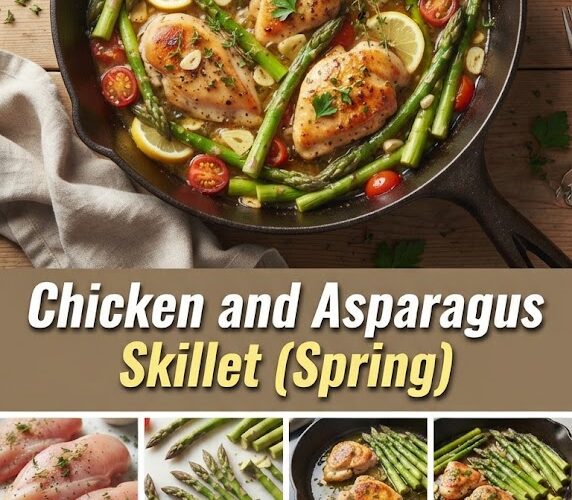
As the frost of winter fades and the first green shoots begin to peek through the warming soil, the culinary world undergoes a dramatic transformation. Spring is not just a season; it is a celebration of rebirth, freshness, and the return of vibrant colors to our dinner plates. At the heart of this seasonal shift lies a dish that perfectly encapsulates the essence of the season: the Spring Chicken and Asparagus Skillet.
This dish is a masterclass in simplicity and elegance. It combines lean, protein-packed chicken with the earthy, tender-crisp snap of fresh spring asparagus, all tied together with the bright acidity of lemon and the aromatic depth of garlic. Whether you are a seasoned home chef or a weeknight cook looking for a healthy, one-pan solution, this guide will provide everything you need to master this quintessential spring meal.
Why the Chicken and Asparagus Skillet is the King of Spring Meals
When we think of spring cooking, we think of efficiency and freshness. After months of heavy stews and roasted root vegetables, our bodies crave something lighter. The chicken and asparagus skillet delivers on all fronts:
- Nutritional Density: High in protein, fiber, and essential vitamins (A, C, E, and K), it supports a healthy lifestyle without sacrificing flavor.
- Efficiency: As a one-pan meal, it minimizes cleanup, making it ideal for busy weeknights.
- Versatility: It serves as a blank canvas. Whether you follow a Keto, Paleo, Whole30, or low-carb diet, this recipe fits perfectly or can be easily adapted.
- Seasonal Synergy: Asparagus is at its peak from March to June. During this window, the stalks are tender, sweet, and far superior to the woody versions found later in the year.
Selecting the Finest Ingredients: A Farm-to-Table Approach
The secret to a world-class skillet dish isn’t just the technique; it’s the quality of the ingredients. Because this recipe uses few components, each one must shine.
The Chicken: Breast vs. Thighs
For a spring skillet, you have two primary choices:
- Boneless, Skinless Chicken Breasts: The classic choice for those seeking a lean meal. To ensure they stay juicy, they must be cooked quickly at the right temperature.
- Boneless, Skinless Chicken Thighs: Often preferred by chefs for their higher fat content and deeper flavor. They are more forgiving and remain succulent even if cooked slightly longer.
Regardless of the cut, always aim for organic, pasture-raised chicken when possible. The difference in texture and “chicken flavor” is palpable.
The Asparagus: Finding the “Snap”
When shopping for asparagus, look for the following:
- The Tips: They should be tightly closed and firm, not mushy or flowering.
- The Color: A vibrant green or even a slight purple hue at the tips indicates freshness.
- The Diameter: Thin “pencil” asparagus is sweet and cooks in seconds. Thicker spears are meatier and hold up well to searing but may require the woody ends to be peeled.
- The Snap Test: If you bend a stalk, it should snap cleanly. If it bends like rubber, it’s past its prime.
The Aromatics and Fats
- Garlic: Use fresh cloves, never the pre-minced jars. The oils in fresh garlic provide a pungent sweetness that jarred versions lack.
- Lemon: You will need both the juice and the zest. The zest contains the essential oils that provide a floral aroma, while the juice provides the necessary acidity to cut through the richness of the cooking fats.
- Butter vs. Olive Oil: A combination is best. Olive oil has a higher smoke point for searing the chicken, while a finishing pat of butter adds a velvety mouthfeel to the sauce.
The Science of the Skillet: Why the Pan Matters
To achieve a “restaurant-quality” sear, you need to understand heat transfer. A thin, cheap pan will have “hot spots” that burn your garlic while leaving your chicken gray and steamed.
Cast Iron
The gold standard. Cast iron retains heat beautifully, allowing for a deep, golden-brown crust (the Maillard reaction) on the chicken. It also transitions perfectly from the stovetop to the oven if you choose to finish your dish there.
Stainless Steel (Tri-Ply)
Excellent for creating “fond”—those little brown bits stuck to the bottom of the pan. When you deglaze a stainless steel pan with lemon juice or white wine, those bits dissolve into a rich, savory pan sauce.
Avoid Non-Stick for Searing
While great for eggs, traditional non-stick pans often prevent the chicken from developing a proper crust. If you want that professional golden finish, stick to metal or cast iron.
Step-by-Step Recipe: The Definitive Spring Chicken and Asparagus Skillet
Ingredients
- 1.5 lbs Chicken Breast or Thighs, cut into bite-sized pieces.
- 1 lb Fresh Asparagus, woody ends trimmed, cut into 2-inch pieces.
- 4 cloves Garlic, minced.
- 1 large Lemon (zested and juiced).
- 2 tbsp Extra Virgin Olive Oil.
- 2 tbsp Unsalted Butter.
- 1 tsp Dried Oregano or Fresh Thyme.
- 1/2 tsp Red Pepper Flakes (optional for heat).
- Salt and Freshly Cracked Black Pepper to taste.
- Optional: 1/4 cup Dry White Wine (Sauvignon Blanc or Pinot Grigio).
Instructions
1. Preparation and Seasoning
Pat the chicken pieces completely dry with paper towels. This is the most ignored yet most important step. Moisture is the enemy of a good sear. Once dry, season liberally with salt, pepper, and your choice of herbs.
2. The Sear
Heat 1 tablespoon of olive oil in your skillet over medium-high heat. Once the oil is shimmering (but not smoking), add the chicken in a single layer. Do not crowd the pan. If necessary, cook in two batches. Let the chicken sit undisturbed for 3-4 minutes to develop a golden crust. Flip and cook for another 3 minutes. Remove the chicken from the pan and set it aside on a plate. It doesn’t need to be fully cooked through yet.
3. Sautéing the Asparagus
In the same pan, add the remaining oil. Toss in the asparagus. Sauté for 3-5 minutes. You want the asparagus to turn a bright, vivid green. It should be “al dente”—tender but still possessing a slight crunch. Remove the asparagus and set it aside with the chicken.
4. Building the Pan Sauce
Lower the heat to medium. Add the butter to the skillet. Once melted, add the minced garlic and red pepper flakes. Cook for just 30-60 seconds until fragrant—do not let the garlic brown or it will turn bitter.
5. Deglazing
Pour in the white wine (or a splash of chicken broth) and the lemon juice. Use a wooden spoon to scrape up all the browned bits (the fond) from the bottom of the pan. This is where the concentrated flavor lives. Let the liquid reduce by half.
6. The Harmonization
Add the chicken and asparagus back into the pan. Toss everything together to coat in the lemon-garlic butter sauce. Cook for another 2 minutes until the chicken is cooked through and the sauce has thickened slightly to a glaze.
7. Finishing Touches
Turn off the heat. Sprinkle the lemon zest and fresh herbs over the top. A final crack of black pepper and a sprinkle of flaky sea salt will elevate the dish to new heights.
Flavor Variations to Keep it Fresh
While the lemon-garlic profile is a classic, you can adapt this skillet to suit various culinary cravings.
1. The Mediterranean Variation
- Additions: Kalamata olives, sun-dried tomatoes, and crumbled feta cheese.
- Technique: Stir in the olives and tomatoes during the deglazing phase. Top with feta right before serving.
- Vibe: Salty, tangy, and deeply satisfying.
2. The Creamy Parmesan Variation
- Additions: 1/2 cup heavy cream and 1/3 cup freshly grated Parmesan cheese.
- Technique: After deglazing with lemon juice, stir in the cream and let it simmer for a minute before adding the cheese. Return the chicken and asparagus to the pan to coat them in the velvety sauce.
- Vibe: Indulgent, comforting, and kid-friendly.
3. The Asian-Inspired Ginger-Soy Skillet
- Substitutions: Swap butter for sesame oil; swap lemon for lime; swap oregano for fresh ginger and soy sauce.
- Additions: Toasted sesame seeds and sliced green onions.
- Vibe: Umami-rich and zesty.
4. The Balsamic Glazed Skillet
- Addition: 2 tbsp high-quality balsamic glaze.
- Technique: Drizzle the glaze over the dish in the final 30 seconds of cooking.
- Vibe: Sweet, acidic, and visually stunning with the dark glaze against the green asparagus.
Nutritional Deep Dive: Why Your Body Loves This Meal
This dish isn’t just delicious; it’s a nutritional powerhouse tailored for spring wellness.
Asparagus: The Ultimate Detoxifier
Asparagus is a rich source of glutathione, a detoxifying compound that helps break down carcinogens and other harmful compounds like free radicals. This is why it’s often touted as an anti-aging vegetable. It is also a natural diuretic, helping the body shed excess water and salt—perfect for shaking off the “winter bloat.”
Chicken: The Lean Builder
By using chicken breast, you are consuming a high-biological-value protein. This means it contains all the essential amino acids your body needs for muscle repair and metabolic function.
Garlic and Lemon: The Immune Boosters
Spring weather can be fickle, often bringing the “spring cold.” Garlic is well-known for its antimicrobial properties, while lemons provide a massive dose of Vitamin C to keep your immune system sharp.
Macro-Nutrient Profile (Approximate per serving)
- Calories: 350-400 kcal
- Protein: 45g
- Carbohydrates: 8g (mostly from fiber in asparagus)
- Fat: 18g (healthy monounsaturated fats from olive oil)
Pro-Tips for Culinary Success
To take your skillet from “good” to “extraordinary,” keep these professional tips in mind:
Don’t Wash the Chicken
Contrary to old myths, washing chicken spreads bacteria around your kitchen. Instead, pat it dry. A dry surface is the only way to get a crispy, golden-brown sear.
The “Blanching” Alternative
If you are using very thick asparagus and find that it stays raw in the middle while burning on the outside, try a quick blanch. Drop the asparagus in boiling water for 60 seconds, then immediately into an ice bath. Dry them thoroughly before adding them to the skillet. This ensures they are cooked through but remain bright green.
Use a Meat Thermometer
Chicken breast is notoriously easy to overcook. It becomes dry and “chalky” once it passes 165°F (74°C). Pull the chicken from the pan when it hits 160°F; the residual heat (carryover cooking) will bring it to the safe 165°F mark while keeping it juicy.
Fresh Herbs Over Dried
While dried oregano works in a pinch, fresh spring herbs like dill, chives, tarragon, or flat-leaf parsley will provide a much more “spring-like” aromatic profile.
Perfect Pairings: What to Serve with Your Skillet
While this dish is a complete meal on its own, you might want to bulk it up depending on your dietary needs.
For the Low-Carb Enthusiast
- Cauliflower Rice: Sautéed with a little lime and cilantro.
- Zucchini Noodles: Tossed directly into the skillet for the last 60 seconds of cooking.
- A Simple Green Salad: Arugula with a light vinaigrette.
For the Carb-Lover
- Roasted New Potatoes: Small “C-size” potatoes roasted with rosemary and sea salt.
- Orzo Pasta: Tossed with olive oil and a little extra Parmesan.
- Quinoa or Farro: These ancient grains provide a nutty texture that complements the earthiness of the asparagus.
- Crusty Sourdough: Essential for mopping up every last drop of the lemon-garlic butter sauce.
Wine Pairings
When pairing wine with asparagus, you have to be careful. Asparagus contains asparagic acid, which can make some wines taste metallic.
- Sauvignon Blanc: The “go-to” pairing. Its grassy notes mirror the flavors of the asparagus, and its high acidity matches the lemon.
- Grüner Veltliner: An Austrian white wine known for its “green” and peppery profile.
- Dry Rosé: A versatile choice for any spring meal.
Meal Prep and Storage
This skillet is a meal-prepper’s dream. It holds up remarkably well and can be transformed into different meals throughout the week.
Storage
Store leftovers in an airtight container in the refrigerator for up to 3-4 days.
Reheating
To prevent the chicken from drying out, avoid the microwave if possible. Instead, reheat in a skillet over low heat with a tablespoon of water or chicken broth to create steam. Cover with a lid for 2-3 minutes.
Creative Leftover Ideas
- The Spring Power Bowl: Cold leftovers over a bed of spinach with quinoa, avocado, and a tahini dressing.
- Chicken & Asparagus Omelet: Chop the leftovers into smaller pieces and fold them into a fluffy three-egg omelet for breakfast.
- Pasta Night: Toss the leftovers with some linguine, extra olive oil, and a splash of pasta water for a quick “Pasta Primavera.”
Frequently Asked Questions (FAQ)
Can I use frozen asparagus?
While possible, it is not recommended for a skillet dish. Frozen asparagus tends to become very soft and mushy when thawed. For this recipe, the “snap” of fresh asparagus is a key textural component. If you must use frozen, add it at the very end just to warm it through.
How do I prevent the garlic from burning?
Garlic burns quickly because of its high sugar content and small surface area. Always add it after you have seared the chicken and moved it, and after the pan has cooled down slightly. If the pan is too hot, add the butter first to buffer the heat.
Can I use a different vegetable?
Absolutely. If asparagus isn’t in season or isn’t your favorite, this same technique works beautifully with:
- Broccolini
- Snap Peas
- Green Beans
- Zucchini Slices
Is this recipe spicy?
As written with red pepper flakes, it has a very mild, background warmth. If you prefer no heat at all, simply omit the flakes. If you love spice, double the flakes or add a sliced Fresno chili with the garlic.
Mastering the Art of the “One-Pan” Philosophy
The Chicken and Asparagus Skillet is more than just a recipe; it represents a philosophy of cooking that values time, health, and flavor equally. In the modern world, where we are often pulled in a dozen different directions, the ability to create a “gourmet” meal in under 30 minutes using a single pan is a vital skill.
The beauty of the spring season is its transience. The window for perfect asparagus is short, making each meal feel like a special occasion. By following the techniques outlined in this guide—focusing on the sear, the quality of the ingredients, and the balance of the pan sauce—you aren’t just making dinner; you are celebrating the season.
Final Summary Checklist for Success:
- Dry the chicken for a perfect sear.
- Don’t overcook the asparagus; keep that bright green color.
- Deglaze the pan to capture all the hidden flavor.
- Zest at the end to keep the citrus notes bright and fresh.
As you sit down to enjoy your Spring Chicken and Asparagus Skillet, take a moment to appreciate the colors on your plate. The vibrant greens, the golden browns, and the flecks of yellow zest are a culinary map of the season. Enjoy the freshness, the simplicity, and the knowledge that you have mastered one of the most beloved dishes in the spring repertoire.
Troubleshooting Common Issues
Even the best cooks run into trouble sometimes. Here is how to fix common mistakes:
Problem: The chicken is stuck to the pan.
Solution: Patience. Chicken usually “releases” itself from the pan once a proper crust has formed. If you try to flip it and it resists, give it another 60 seconds. If it’s truly stuck, your pan might not have been hot enough when you started, or you didn’t use enough oil.
Problem: The sauce is too thin/watery.
Solution: Let it simmer for an extra minute without the lid. This allows excess moisture to evaporate, concentrating the flavors and thickening the butter-lemon emulsion. Alternatively, toss the chicken in a tiny bit of cornstarch or flour before searing; this will naturally thicken the sauce later.
Problem: The dish is too salty.
Solution: This often happens if you use salted butter and then add extra salt. To fix it, add another squeeze of lemon juice or a tiny pinch of sugar. The acidity or sweetness can help balance out the perceived saltiness.
Problem: The asparagus is “woody” or stringy.
Solution: This means the tough ends weren’t trimmed far enough up the stalk. Next time, use the “snap” method: hold the asparagus at the base and the middle and bend it until it snaps. It will naturally break at the point where the stalk turns from woody to tender.
Conclusion: Embrace the Season
The Spring Chicken and Asparagus Skillet is a reminder that good food doesn’t have to be complicated. It requires respect for the ingredients, a basic understanding of heat, and a desire to eat well. As you refine your technique, you’ll find that this dish becomes a reliable friend in your kitchen—a recipe you can turn to year after year when the first signs of spring appear.
So, head to your local farmer’s market, grab the freshest bundle of asparagus you can find, and get your skillet screaming hot. Spring is here, and it tastes delicious.